Medically reviewed by A/Prof Michael Goggin, MB BCh BAO DO MS FRCSI (Ophth) FRC Ophth FRANZCO FWCRS, Ophthalmologist. Last reviewed August 2026.
Planning Cataract Surgery When Both Eyes Need Treatment
When cataracts affect both eyes, surgery is usually planned as two separate procedures. The second operation may follow within days or weeks, but there is no fixed waiting period that is right for everyone. The timing depends on how the first eye is recovering, how much the cataract in the other eye is affecting vision and whether there is any clinical reason to allow more time.
At Ashford Advanced Eye Care, we plan treatment for both eyes from the outset rather than treating each operation as an isolated procedure. After surgery on the first eye, we review the early recovery and visual result before proceeding with the second, while also considering how the untreated eye is affecting vision in everyday life.
How Long Should You Wait Between Cataract Operations?
The interval between cataract operations is commonly somewhere between one and six weeks, though this figure should be confirmed against the practice’s actual typical pattern before publishing. The second operation can often be performed within days or weeks of the first. It is not necessary to wait until the first eye has completed every stage of healing, provided recovery is progressing normally, and there is no reason to postpone further surgery.
The exact interval remains an individual clinical decision rather than a fixed rule. A longer interval may be appropriate if the first eye needs closer monitoring or if the cataract in the second eye is not yet causing significant difficulty. Equally, when the first eye is recovering well, and the remaining cataract is noticeably limiting vision, there may be good reason to proceed sooner. Healthdirect Australia, the national health information service funded by the Australian government, provides general information on cataract surgery and what the procedure involves.

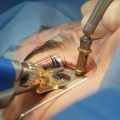
Cataract surgery is often planned separately for each eye, with the timing of the second procedure based on recovery and visual needs.
Why Are Cataract Operations Often Performed Separately?
Operating on the eyes separately allows the first eye to begin recovering before the second procedure takes place. It also allows us to examine the eye after surgery, assess the early visual result and identify anything that should be taken into account before proceeding with the other eye.
This does not mean the second procedure is simply delayed as a precaution. Sequential surgery gives us useful information about the first eye while still allowing the overall treatment of both cataracts to move forward efficiently. For many patients, particularly when both cataracts are interfering with vision, there is no need for a prolonged gap between procedures.
Does the First Eye Need to Fully Heal Before the Second Operation?
No. There is an important difference between the eye healing normally and the eye reaching the end of its full recovery. Vision can begin to improve relatively quickly after cataract surgery, while the eye itself continues to settle over the following weeks.
The first eye therefore does not have to reach its final visual result before surgery on the second eye can be considered. What matters is that the recovery is progressing as expected when we examine the eye and that there is no clinical reason to wait longer before proceeding.
What Determines the Timing of Second-Eye Cataract Surgery?
The timing needs to reflect what is happening in both eyes. Recovery after the first operation is important, but so is the severity of the cataract that remains untreated and the effect it is having on everyday vision. Someone struggling with a significant cataract in the second eye may have different priorities from someone whose remaining cataract is still relatively mild.
When planning the second procedure, we consider:
- How the first eye is healing
- The early visual result after the first operation
- The severity of the cataract in the second eye
- How much the untreated cataract is affecting everyday vision
- The difference in vision between the two eyes
- Other eye conditions that may influence surgery or recovery
- Any general health factors relevant to another procedure

The timing of second-eye cataract surgery depends on healing, cataract severity and how both eyes are functioning together.
What Can Vision Be Like Between the Two Operations?
The difference between the two eyes can become more noticeable after the first cataract has been removed. This temporary imbalance, known clinically as anisometropia, occurs because the treated eye may provide clearer, brighter vision while the untreated eye is still affected by haze, glare, reduced contrast or other changes caused by cataract.
Some people adapt to this temporary difference without much difficulty, while others become much more aware of the poorer vision in the untreated eye. Existing glasses can also feel less comfortable because the prescription in the operated eye has changed. In our experience, it is not unusual for patients to notice such a significant improvement after the first procedure that they are keen to have the second eye treated relatively promptly.
When Might a Longer Wait Be Recommended?
Sometimes allowing more time between operations is the better approach. The first eye may be taking longer than expected to settle, the visual result may need further assessment or inflammation or another eye condition may require additional monitoring before surgery proceeds.
A change in timing does not necessarily mean that a serious problem has occurred. It simply allows us to deal with anything that needs further attention before treating the second eye, rather than proceeding according to a date that was chosen before we had seen how the first eye recovered.
Can Both Eyes Have Cataract Surgery on the Same Day?
Cataract surgery on both eyes during the same surgical session is possible in selected circumstances, although many patients continue to have the procedures performed separately. Treating both eyes together reduces the number of surgical visits and means both eyes recover over the same period.
The trade-off is that there is no opportunity to assess the result of the first operation before treating the second eye. Whether same-day or separate surgery is appropriate therefore depends on the individual eyes, general health and surgical plan rather than there being one correct approach for everybody.
Planning Cataract Surgery for Both Eyes: The Next Step
There is no universal number of days or weeks that every patient should wait between cataract operations. The appropriate interval depends on how the first eye is recovering, the cataract and vision in the second eye and the wider clinical picture. Complete healing of the first eye is not always necessary before the second procedure can take place.
At Ashford Advanced Eye Care, we plan cataract surgery around the health and visual needs of both eyes and review recovery carefully between procedures. If cataracts are affecting your vision in one or both eyes, please contact us for more information or book an assessment online to discuss the most appropriate treatment plan.
Frequently Asked Questions About Cataract Surgery Timing
Which eye is usually treated first for cataract surgery?
There is no rule that the right or left eye should automatically be treated first. The decision depends on the severity of each cataract, how vision is being affected and the overall health of both eyes.
Can the date of my second cataract operation be changed?
Yes. The planned date can be adjusted if the first eye needs additional time or further assessment before proceeding. It can also be reviewed when the untreated cataract is having a substantial effect on vision.
How quickly does vision improve after cataract surgery?
Many patients begin to notice an improvement in vision within the first few days, although clarity can continue to change as the eye heals. Full recovery generally takes several weeks.
Can my glasses feel strange between cataract operations?
Yes. Once one eye has been treated, your existing glasses prescription may no longer suit that eye in the same way, while the untreated eye still has its previous prescription and cataract. This can make the difference between the eyes more noticeable temporarily.
Should I wait until both eyes are treated before getting new glasses?
If cataract surgery on the second eye is already planned, it can make sense to wait until both eyes have been treated and vision has settled before arranging a final prescription. We can advise on temporary options if the difference between the eyes is causing difficulty in the meantime.
Can I drive between cataract operations?
It may be possible to drive once the operated eye has recovered sufficiently and your vision meets the required standard. You should not drive immediately after surgery, and we will advise you about returning to driving as part of your follow-up care.
Can another eye condition affect when the second eye is treated?
Yes. Conditions affecting the cornea, retina, optic nerve or eye pressure can influence the timing of cataract surgery and the monitoring required between procedures. These need to be considered alongside the cataract itself.
Can the lens plan for the second eye change after the first operation?
Sometimes information from the first eye can be useful when reviewing the plan for the second. One advantage of performing the operations separately is that the first eye can be assessed before the second procedure takes place.
Will recovery from the second cataract operation be the same as the first?
Not necessarily. Each eye has its own anatomy, cataract and healing response, so there can be differences in how quickly vision settles or how the eye feels after surgery.
What if the cataract in my second eye is much worse?
A more advanced cataract in the untreated eye may make the difference between the two eyes particularly noticeable after the first operation. The severity of that cataract and its effect on daily vision can be taken into account when deciding how soon to proceed with the second procedure.