
Clearer Vision Starts With the Right Correction
Blurred vision, headaches after reading, difficulty driving at night, or constantly feeling like your eyes are struggling to focus can all be signs of astigmatism. Vision may feel slightly off rather than obviously blurred, which often leads people to assume they simply need stronger glasses or an updated prescription.
So, can glasses help with astigmatism? In many cases, they can make a significant difference, but the right solution depends on how your eyes are focusing and whether glasses are addressing the full cause of the problem. In this blog, we look at when glasses are enough, when other options may be worth considering and why a proper eye assessment matters.
What Is Astigmatism?
Astigmatism is a refractive error caused by an uneven curve in the cornea, or sometimes the natural lens inside the eye. Instead of light focusing evenly onto the retina, it focuses at multiple points, which can make vision appear blurred, stretched or slightly shadowed.
This can affect both near and distance vision, depending on the degree of astigmatism and whether it occurs alongside short-sightedness or long-sightedness. Some people notice obvious blur, while others mainly experience headaches, eye strain or glare around lights at night.
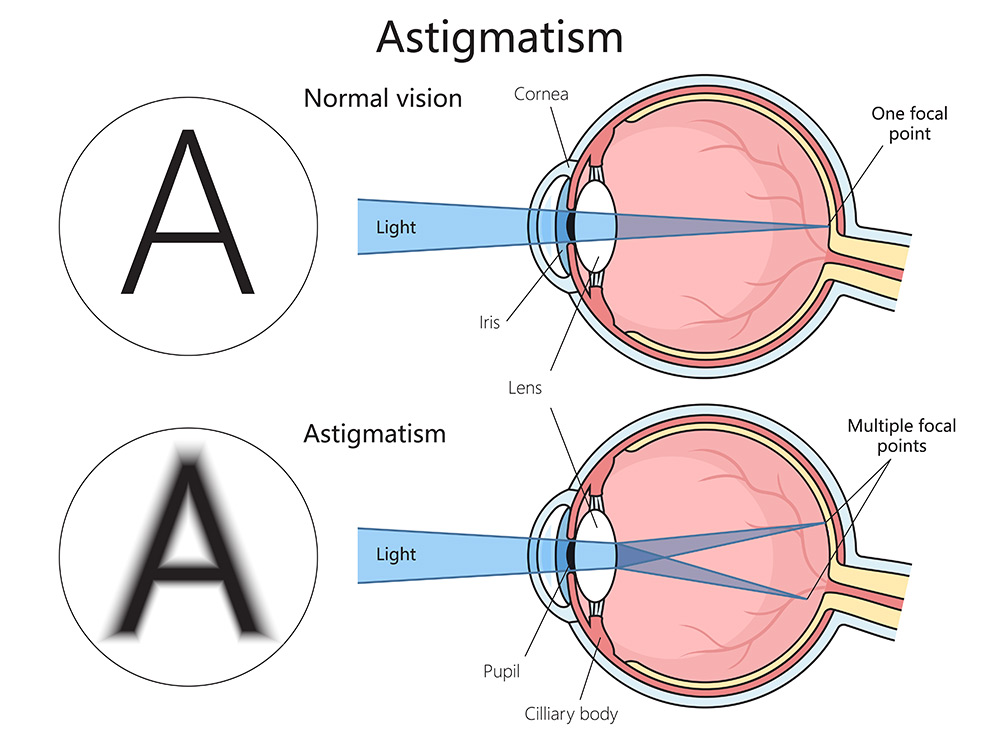
Glasses can improve blurred vision caused by astigmatism by helping light focus more accurately inside the eye.
Can Glasses Help With Astigmatism?
Yes, glasses can help with astigmatism, and for many people, they provide excellent day-to-day vision correction. Prescription lenses are designed to adjust how light enters the eye so that it focuses more accurately on the retina, improving sharpness and reducing the strain your eyes need to make to stay focused.
This can make reading, screen use, driving and general daily tasks much more comfortable. Many people also notice fewer headaches, less squinting and less visual fatigue once the correct prescription is in place. Glasses improve the symptoms of astigmatism, but they do not permanently change the shape of the cornea or remove the underlying refractive error.
What Type of Glasses Are Used for Astigmatism?
Astigmatism usually requires prescription lenses with cylindrical correction, which are specifically designed to compensate for the uneven shape of the eye. This is different from standard reading glasses or simple distance prescriptions used for short-sightedness or long-sightedness alone.
The strength and angle of correction must be measured carefully, which is why a proper eye assessment is important. Even a small inaccuracy in the prescription can affect comfort, particularly if you spend long periods reading, using screens or driving at night. Off-the-shelf reading glasses are rarely suitable where astigmatism is involved.
Signs Your Current Glasses May Not Be Working Properly
Even with glasses, some people continue to experience symptoms because their prescription has changed or the correction is no longer quite right. This often happens gradually, which makes it easy to ignore until everyday tasks start to feel noticeably more difficult.
Common signs may include:
- Blurred vision that does not feel fully corrected, even when wearing your glasses
- Headaches or eye strain, particularly after reading, screen use or detailed visual tasks
- Increased glare or halos around lights, especially when driving at night
- Frequent squinting or needing to refocus more often than usual
- Feeling that your prescription seems to change more often than expected
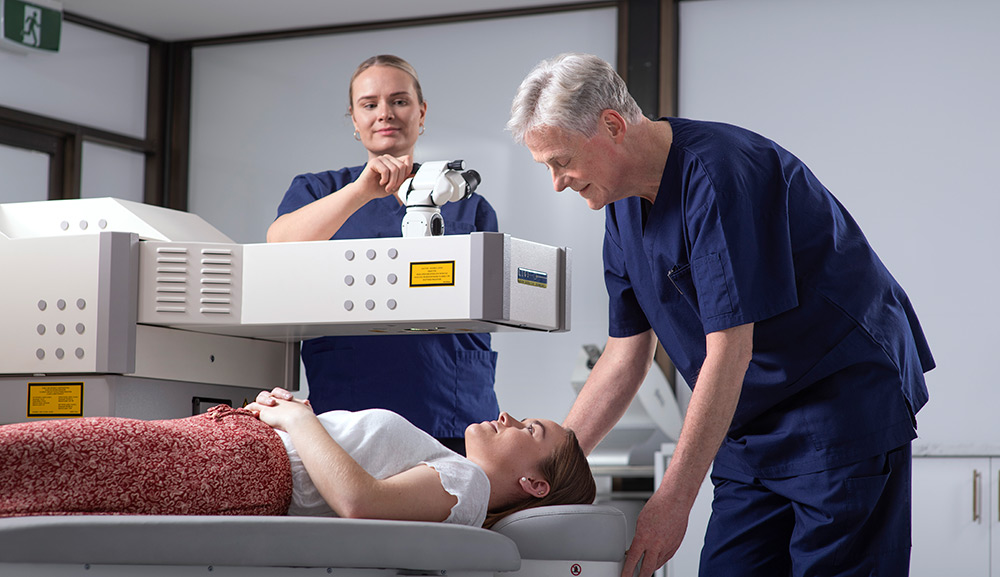
Contact lenses and laser vision correction may be considered when glasses are no longer the right long-term solution.
Are Contact Lenses Better Than Glasses for Astigmatism?
For some people, contact lenses can be a very effective alternative to glasses. Toric contact lenses are specifically designed for astigmatism and help correct the way light enters the eye while offering a wider field of vision and freedom from frames.
Whether they are better depends on your prescription, lifestyle and personal preference. Some people prefer glasses for simplicity and comfort, while others find contact lenses more practical for work, sport or everyday convenience. The right choice depends on what works best for your eyes and your routine.
When Should You Consider Laser Eye Surgery for Astigmatism?
Glasses work well for many people, but they are not always the long-term solution everyone wants. Some patients begin to consider laser eye surgery when they feel frustrated by relying on glasses every day or when prescription changes continue to affect convenience and comfort.
Laser vision correction may be suitable for adults with stable astigmatism who want to reduce dependence on glasses or contact lenses. Suitability depends on factors such as prescription strength, corneal thickness, overall eye health and how stable your vision has been over time, which is why a detailed suitability assessment is always essential.
Why a Proper Eye Assessment Matters
Not every case of blurred vision is caused by astigmatism, and not every prescription problem is solved by stronger glasses. Symptoms such as glare, headaches or fluctuating vision can sometimes point to other refractive issues or underlying eye health concerns that need a different approach.
A comprehensive eye assessment helps confirm exactly what is causing the problem, whether your current prescription is still appropriate and whether other treatment options should be considered. Getting the right diagnosis first is what allows the right treatment plan to follow.
Clearer Vision Starts With the Right Advice
Glasses can help with astigmatism, and for many people they provide excellent visual clarity, comfort and day-to-day convenience. They are often the simplest and most effective first step for improving blurred vision and reducing the strain that comes with uncorrected refractive errors.
At the same time, glasses are not the only option. Contact lenses, laser vision correction and other tailored treatment approaches may be worth considering depending on your prescription, lifestyle and long-term goals. If your vision feels inconsistent or you would like to explore the most suitable treatment options for your eyes, contact us to discuss the right approach for clearer, more comfortable vision.
FAQs
Do I need glasses for astigmatism?
Not everyone with astigmatism needs glasses, especially if the prescription is very mild and not causing noticeable symptoms. If blurred vision, headaches, glare or eye strain are affecting daily life, prescription glasses may help improve clarity and comfort.
Can glasses fix astigmatism permanently?
Glasses improve vision by correcting how light focuses onto the retina, but they do not permanently change the shape of the cornea or cure astigmatism itself. They provide correction while being worn and may need updating over time.
Can astigmatism get worse without glasses?
Not wearing glasses does not usually make astigmatism itself worse, but it can make symptoms such as headaches, squinting and visual fatigue more noticeable. Ongoing strain may also affect comfort during reading, driving and screen use.
Why is my vision still blurry with astigmatism glasses?
Blurred vision can happen if your prescription has changed, the glasses are no longer accurate, or another eye condition is affecting your sight. A proper eye assessment helps confirm whether the issue is astigmatism alone or something else that needs attention.
When should I consider laser eye surgery for astigmatism?
Laser eye surgery may be worth considering if you have a stable prescription, rely heavily on glasses or contact lenses and would prefer a long-term correction option. A detailed suitability assessment is needed to determine whether treatment is appropriate for your eyes.