A/Prof Michael Goggin | Ophthalmologist, FRANZCO | Last updated on September 2026
The difference between laser eye surgery and glasses is where the correction sits. Glasses bend light in front of the eye and work only while worn, while laser eye surgery reshapes the cornea so the eye focuses light accurately on its own. For suitable adults, that can mean clear unaided vision for everyday activities, though neither option stops the eyes changing with age.
Glasses are a simple and effective way to correct short-sightedness, long-sightedness and astigmatism. For many people, however, wearing them every day also means accepting the practical side of corrective eyewear: remembering them, replacing them, keeping prescriptions up to date and working around them during sport, travel and other activities.
When comparing laser eye surgery vs glasses, the biggest difference is the reliance on eyewear itself. Glasses provide clear vision while they are being worn, whereas laser eye surgery is designed to correct the refractive error within the eye and reduce that everyday dependence. For suitable adults, that can mean clearer unaided vision and considerably more freedom from glasses in daily life.
How Do Laser Eye Surgery and Glasses Correct Vision?
Glasses use prescription lenses to change the way light enters the eye, compensating for refractive errors such as myopia, hyperopia and astigmatism. The correction remains external, which means clear vision continues to depend on wearing the correct prescription.
Laser vision correction works differently. It reshapes the cornea, the clear front surface of the eye, so that light can be focused more accurately. For suitable patients, this can correct the refractive error itself and remove the need for glasses for everyday vision. Whether treatment is appropriate depends on the prescription, corneal measurements and overall health of the eye.
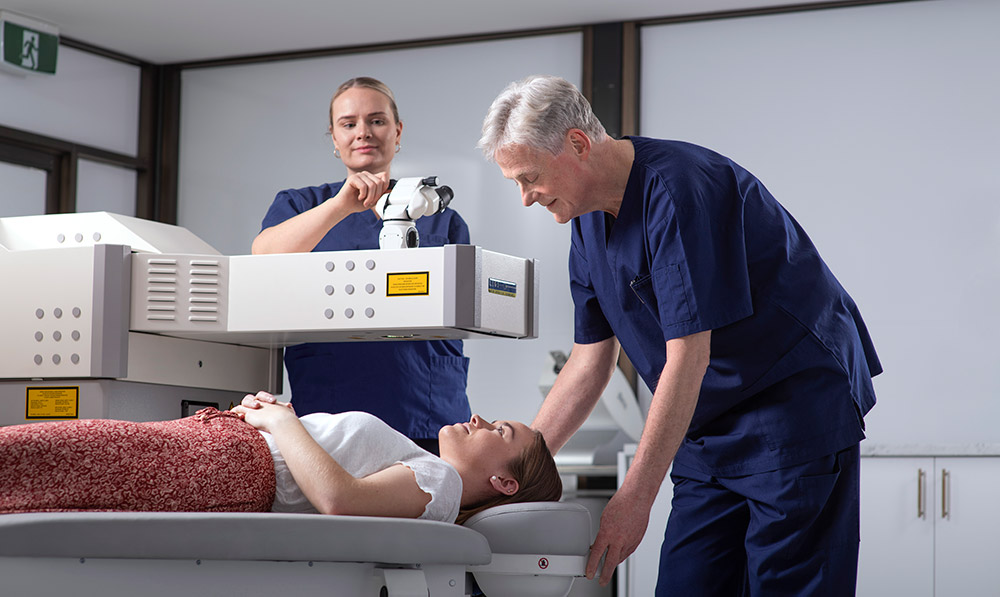
Laser eye surgery can correct refractive errors within the eye, reducing the need to rely on glasses for clear everyday vision.
Laser Eye Surgery vs Glasses for Everyday Convenience
For someone who wears glasses from the moment they wake up, the difference can be noticeable throughout the day. Glasses need to be cleaned, protected and remembered, and they can fog in changing temperatures, become wet in the rain, move during exercise or need replacing when frames or lenses are scratched or damaged.
Laser vision correction removes many of these practical limitations. Waking up, exercising, travelling, driving or spending time outdoors can become simpler when clear vision no longer depends on having the right pair of glasses nearby. For people who have relied on prescription eyewear for years, that everyday freedom is one of the clearest advantages of laser eye surgery.
Which Provides More Lasting Vision Correction: Laser Eye Surgery or Glasses?
Glasses provide correction only while they are being worn. Over time, prescriptions may change, lenses may need updating, and frames will eventually need replacing. Even when glasses provide excellent clarity, the underlying refractive error remains and vision still depends on external correction.
Laser eye surgery changes the shape of the cornea itself, providing a long-term correction rather than something that has to be put on each morning. The eye can still change naturally over time, so no treatment can promise that glasses will never be required again, but for suitable patients laser surgery can provide years of clear unaided vision without the ongoing dependence that comes with glasses.
How Do the Long-Term Costs of Laser Eye Surgery and Glasses Compare?
Glasses can feel less expensive because their cost is spread across individual purchases. Over many years, however, new frames, updated prescription lenses, replacement pairs and prescription sunglasses can add up, particularly for someone who has relied on glasses since early adulthood.
Laser eye surgery involves a higher upfront cost, but for many patients it removes the recurring expense of replacing prescription glasses, updating lenses and buying additional eyewear over time. When those costs are considered across a number of years, laser vision correction can represent good long-term value and, for some patients, may ultimately cost significantly less than continuing to rely on glasses.

Reducing dependence on glasses can make everyday activities such as exercise, travel and outdoor activities easier to manage.
Who May Benefit Most From Laser Eye Surgery?
Laser eye surgery is particularly beneficial for adults who are tired of having their vision tied to a pair of glasses. That may mean wanting more freedom during sport or travel, finding glasses inconvenient at work, disliking the constant need to clean and replace them or simply wanting to wake up and see clearly without reaching for eyewear.
The key is suitability. At Ashford Advanced Eye Care, we assess the prescription alongside corneal thickness and shape, tear film, prescription stability and overall eye health before recommending treatment. This allows us to determine whether laser vision correction is appropriate and which treatment approach is best suited to the individual eye.
When Laser Eye Surgery May Not Be Suitable
Not every eye is suitable for laser vision correction, and careful assessment is essential before treatment is considered. Sometimes surgery simply needs to be delayed, while in other cases the structure or health of the eye means another form of vision correction is more appropriate.
Laser eye surgery may not be suitable when:
- The prescription is still changing
- The cornea is too thin or has an unsuitable shape
- Significant dry eye needs to be addressed first
- A corneal condition or another eye condition affects suitability
- Other eye health or general health factors make treatment inappropriate
- Pregnancy or breastfeeding means treatment should be postponed
Healthdirect, the Australian Government-funded health information service, also publishes independent information on laser eye surgery, covering how the procedures differ, what recovery involves and the possible complications to discuss before deciding.
Why Laser Eye Surgery Can Be the Better Long-Term Choice
For suitable patients, laser eye surgery offers something glasses cannot: the ability to correct vision without depending on eyewear every day. Instead of repeatedly updating, replacing and planning around prescription glasses, laser vision correction can provide clear unaided vision and make that correction part of everyday life.
At Ashford Advanced Eye Care, we assess the eyes carefully before recommending treatment and plan laser vision correction around the prescription, corneal measurements and overall eye health. If you are considering laser eye surgery in Adelaide and would like to know whether you could leave your glasses behind, please contact us for more information or book an assessment online.
Laser Eye Surgery vs Glasses FAQs
Can laser eye surgery completely replace glasses?
For suitable patients, laser eye surgery can remove the need for glasses for the vision being treated. The aim is to provide clear unaided vision, although the exact result will depend on the prescription, eye measurements and individual response to treatment.
Is laser eye surgery worth considering for a mild prescription?
Yes. A mild prescription can still be frustrating if you rely on glasses every day for driving, work, sport or other activities. If your eyes are suitable, laser treatment can remove that everyday dependence even when the prescription itself is relatively small.
Can laser eye surgery treat astigmatism?
Yes. Laser eye surgery can treat many forms of astigmatism by reshaping the cornea so that light focuses more accurately. Whether treatment is suitable depends on the amount and pattern of astigmatism, as well as the shape and thickness of the cornea.
Can laser eye surgery treat short-sightedness and long-sightedness?
Yes. Laser vision correction can be used to treat both short-sightedness and long-sightedness in suitable patients. Your prescription and corneal measurements help determine which treatment approach is appropriate.
Does my glasses prescription need to be stable before laser eye surgery?
Yes. A stable prescription is important because laser treatment is planned around the refractive error present at the time of surgery. If your prescription is still changing significantly, it may be better to wait until it has settled before proceeding.
How long do laser eye surgery results last?
Laser eye surgery permanently reshapes the cornea, so the correction itself is long-lasting. Many patients enjoy clear unaided vision for years afterwards, although the eyes can still undergo natural changes over time.
Can eyesight change again after laser eye surgery?
Yes. Laser treatment corrects the refractive error present at the time of surgery, but it does not prevent the eyes from changing naturally later in life. This does not mean the laser treatment has worn off.
Can I wear glasses again after laser eye surgery?
Yes. Having laser eye surgery does not prevent you from wearing glasses in the future if additional correction ever becomes useful. For suitable patients, however, the purpose of treatment is to remove the need to rely on them for everyday vision.
Is laser eye surgery cheaper than wearing glasses long term?
It can be. The cost of replacing frames, prescription lenses and prescription sunglasses over many years can add up considerably, so the one-off cost of laser eye surgery may compare very favourably over the longer term and can work out cheaper for some patients.
What happens if I am not suitable for laser eye surgery?
If laser vision correction is not suitable, we will explain why and whether treatment could be reconsidered in the future. In some cases, another form of vision correction may be more appropriate.