Medically reviewed by A/Prof Michael Goggin, MB BCh BAO DO MS FRCSI (Ophth) FRC Ophth FRANZCO FWCRS, Ophthalmologist. Last reviewed August 2026.
Understanding Laser Eye Surgery Safety Before Treatment
Laser eye surgery has a strong safety record, and serious complications are very rare. Some temporary side effects are expected as the eyes recover, including dryness, light sensitivity and changes in visual clarity, but these are very different from a complication that causes lasting damage.
So, is laser eye surgery safe? Yes. Modern laser eye surgery is considered a safe procedure, with serious complications occurring rarely. The important part is understanding what counts as a normal part of recovery, which risks are less common and what laser vision correction can mean for your eyes in the longer term.
How Safe Is Laser Eye Surgery?
Laser eye surgery has been performed for decades and has a strong safety record. A 2025 review in the Journal of Refractive Surgery, covering 95 LASIK studies, found that sight-threatening complications occurred in just 0.07% of treated eyes, showing how uncommon the most serious problems are. The same review reported that 92.6% of patients were satisfied with their results, and 99% said they would recommend the procedure to others.
No surgical procedure can be completely risk-free, but there is an important difference between a temporary side effect and a genuine complication. Dryness, light sensitivity or changes in visual clarity can occur while the eyes recover; serious problems affecting the health of the eye or vision are far less likely. Healthdirect Australia, the national health information service funded by the Australian government, also sets out how laser eye surgery is assessed and who it may suit.
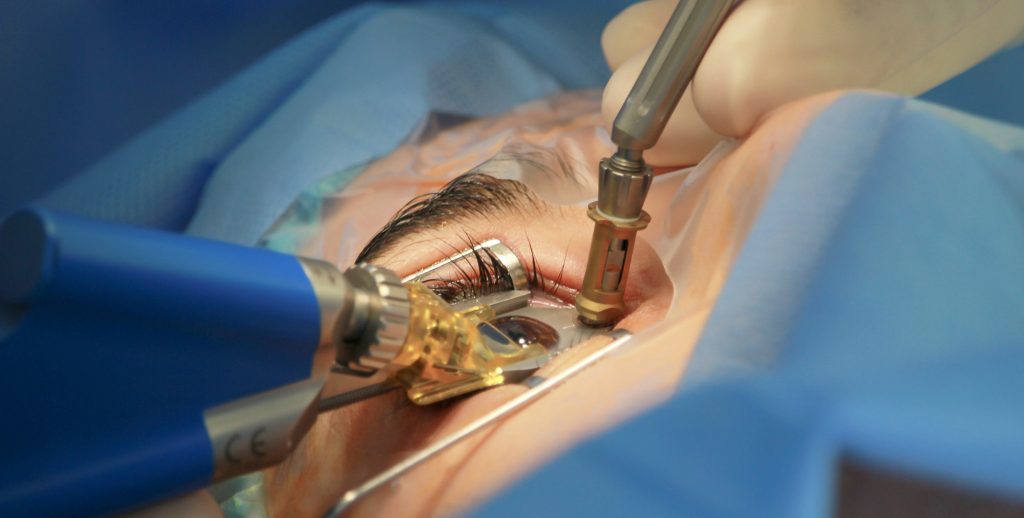
Temporary dryness, glare and changes in visual clarity can occur while the eyes recover after laser treatment.
What Side Effects Are Normal After Laser Eye Surgery?
Your eyes need time to recover after laser eye surgery, so it is normal to notice some temporary changes in comfort or vision. This applies across the main techniques, including LASIK, SMILE and PRK, although the exact side effect profile and recovery pattern can vary slightly between them. These changes vary from person to person, but most improve as the eyes settle and should not be confused with the much rarer complications associated with treatment.
During your consultation, we will explain the side effects you may experience, how your vision and comfort may change during recovery and when you should contact us if a symptom is more severe or does not improve as expected.
You may temporarily experience:
- Dryness or a gritty feeling in the eyes
- Watering or mild discomfort
- Light sensitivity
- Blurred or fluctuating vision
- Glare or halos around lights, particularly at night
What Are the Risks of Laser Eye Surgery?
Serious complications after laser eye surgery are rare. However, as with any surgical procedure, there are risks that need to be understood before treatment. These are very different from the temporary side effects associated with normal healing and affect only a small proportion of patients.
Less common risks can include:
- Infection or significant inflammation
- Dry eye symptoms that persist beyond the normal recovery period
- Under-correction or over-correction of the prescription
- Persistent glare, halos or difficulty with night vision
- Problems with the way the cornea heals
- Corneal ectasia, a rare weakening and bulging of the cornea, which pre-treatment corneal measurement is specifically designed to screen for
- In very rare cases, a lasting reduction in vision
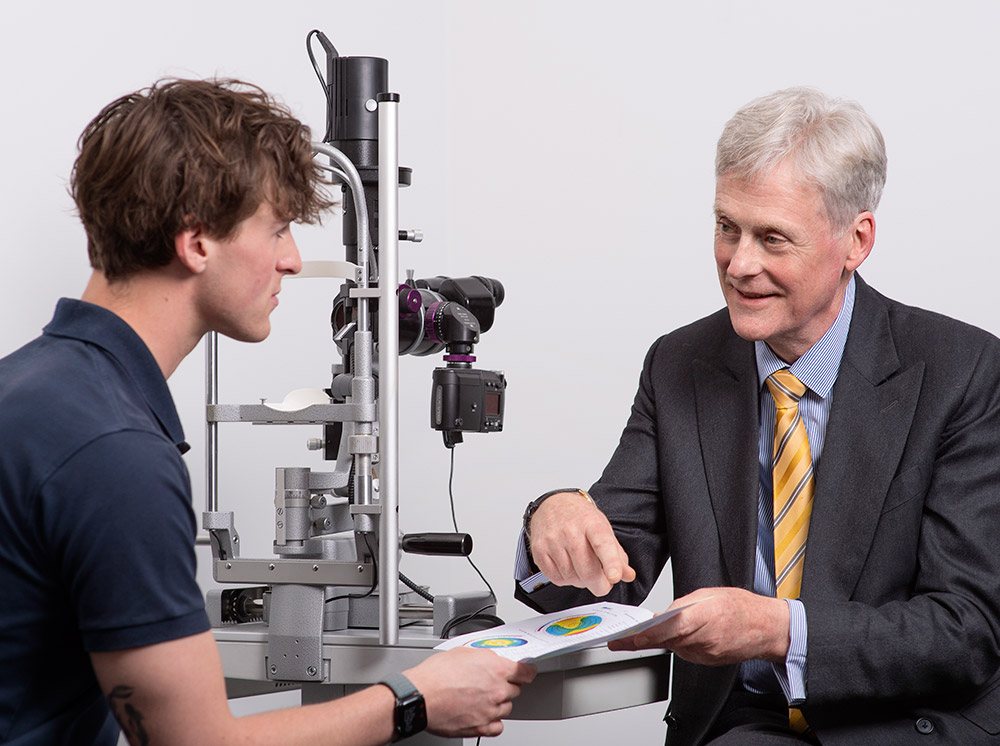
Long-term research continues to support the safety of laser vision correction many years after treatment.
Can Laser Eye Surgery Cause Long-Term Problems?
Long-term problems after laser eye surgery are possible but uncommon. Some people can experience persistent dryness or changes in night vision, while more significant late complications occur much less frequently.
We also have research following patients well beyond the initial recovery period. A review of studies with at least 10 years of follow-up found a very high level of long-term safety after laser vision correction, with late complications occurring only rarely.
It is also normal for vision to change as we get older. Presbyopia can make reading and close work more difficult, while cataracts can eventually affect the natural lens inside the eye. These are age-related changes and do not mean that previous laser eye surgery has damaged the eyes or simply “worn off”.
How Does Careful Assessment Help Keep Laser Eye Surgery Safe?
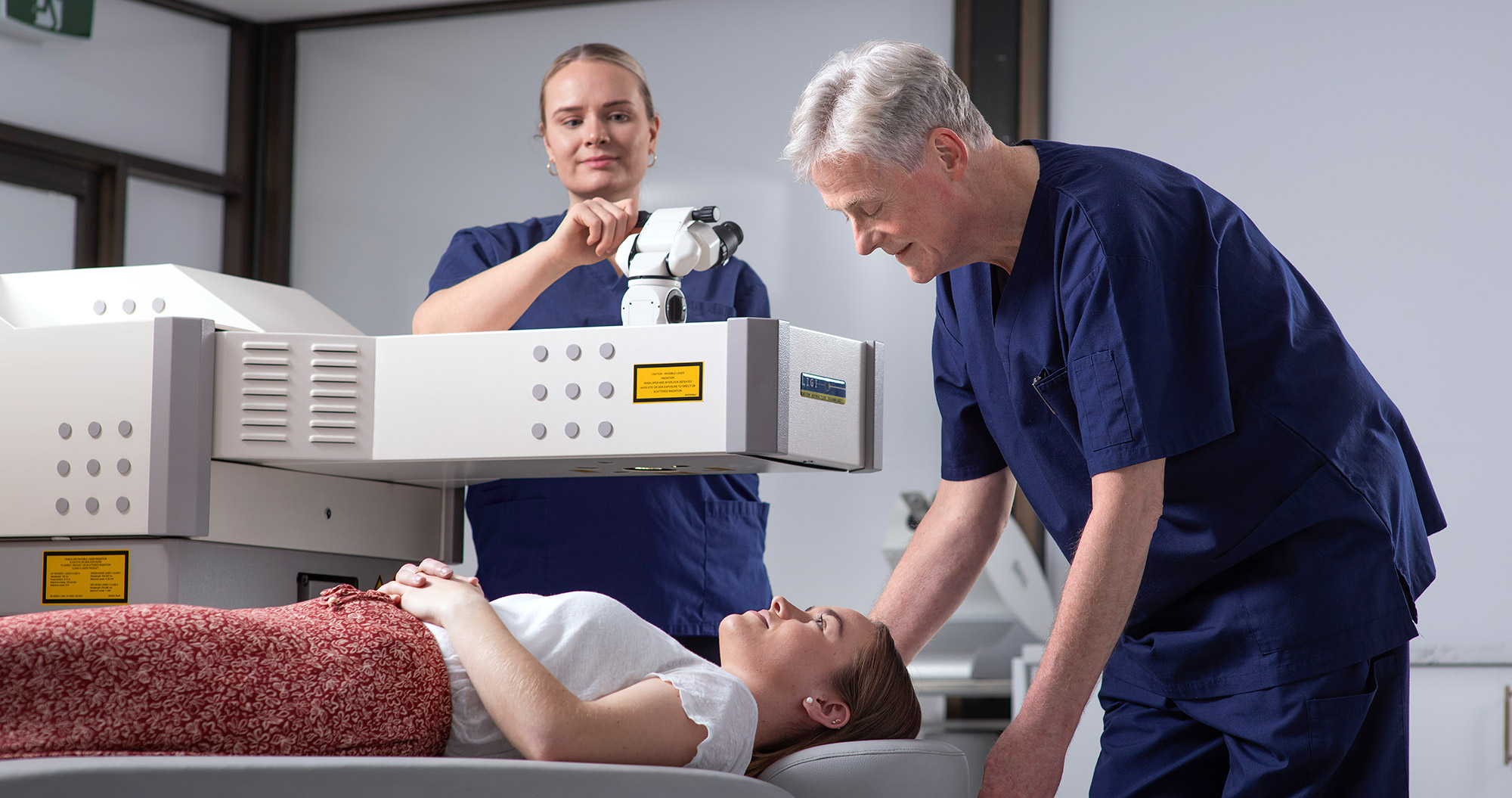
Laser eye surgery safety starts before treatment takes place. A detailed assessment allows us to examine your prescription, cornea and overall eye health and identify anything that could make laser vision correction less suitable or increase the likelihood of complications. The Royal Australian and New Zealand College of Ophthalmologists publishes patient information on refractive surgery and explains the training an ophthalmologist completes before performing it.
At Ashford Advanced Eye Care, treatment is planned around the individual eye rather than taking the same approach for every patient. Follow-up care is also important after treatment, allowing us to check that the eyes are healing as expected and address any concerns that arise during recovery.
Is Laser Eye Surgery Safe for You? The Next Step
Laser eye surgery is considered a safe and well-established procedure. Temporary dryness, blurred vision, glare and light sensitivity can occur during recovery, but serious complications are rare, and long-term research continues to support the safety of laser vision correction.
If you are considering laser eye surgery in Adelaide, we can assess your eyes carefully, explain the potential risks and expected recovery, and determine whether treatment is appropriate for you. Please contact us for more information or book a consultation online.
Frequently Asked Questions About Laser Eye Surgery Safety
Is laser eye surgery painful?
Anaesthetic eye drops are used before treatment, so laser eye surgery itself should not be painful. Some discomfort, grittiness, watering or sensitivity can be experienced afterwards while the eyes recover.
Can you go blind from laser eye surgery?
Severe loss of vision is possible with eye surgery, but it is a very rare complication of modern laser vision correction. Any sudden or significant change in vision after treatment should be assessed promptly.
What symptoms after laser eye surgery should I be concerned about?
Increasing pain, a sudden deterioration in vision, pronounced redness or symptoms that become worse instead of gradually improving should be checked. We provide clear aftercare guidance so you know what to expect and when to contact us.
Is laser eye surgery safe if I have dry eyes?
Dry eye needs to be assessed before laser eye surgery because treatment can temporarily increase dryness. If the surface of the eye is not healthy enough for treatment, we may recommend managing the dryness first or reconsidering whether laser vision correction is appropriate.
Does laser eye surgery weaken your eyes?
Laser eye surgery changes the shape of the cornea to correct the way light is focused, but treatment is carefully planned to preserve adequate corneal strength. Measuring the thickness and shape of the cornea beforehand is an important part of deciding whether treatment can be performed safely.
Does laser eye surgery increase the risk of cataracts?
Laser eye surgery treats the cornea at the front of the eye, whereas a cataract develops in the natural lens inside the eye. Cataracts can still develop later in life, but this is part of a different process within the eye.
Can laser eye surgery be repeated safely?
Further laser treatment can sometimes be considered if a prescription remains or vision changes later. The eye must be assessed again first to make sure additional treatment would be appropriate and safe.
Is laser eye surgery safe during pregnancy?
Laser eye surgery is generally postponed during pregnancy because hormonal changes can temporarily affect the prescription, cornea and tear film. Treatment can be reconsidered once these changes have settled and vision is stable again.
Is it safe to rub your eyes after laser eye surgery?
You should avoid rubbing your eyes during the early recovery period because this can irritate the healing surface. We provide instructions on protecting and caring for the eyes following treatment.
Do I still need regular eye examinations after laser eye surgery?
Yes. Laser eye surgery corrects how light is focused but does not prevent unrelated eye conditions from developing later in life. Regular eye examinations remain important for monitoring your overall eye health.