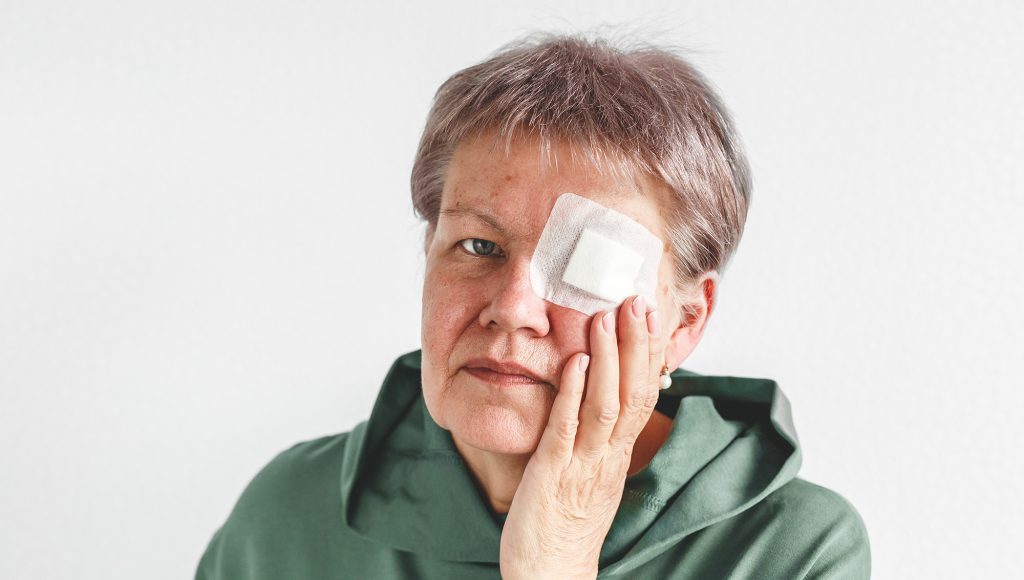
Medically reviewed by A/Prof Michael Goggin | Ophthalmologist, FRANZCO | Last updated on September 2026
Recovery after cataract surgery is usually straightforward, with most patients able to return to many normal daily activities relatively quickly. Post-cataract surgery care mainly involves using your prescribed eye drops correctly, keeping the eye clean, and giving it a little time to settle without unnecessary irritation or strain.
At Ashford Advanced Eye Care, we provide clear instructions after surgery so you know exactly how to care for the eye during recovery. There are a few simple things that can help support smooth healing, along with some temporary precautions worth following while the eye recovers. In this latest blog, we explain what you should do, what you should avoid and when to contact us if anything does not seem to be progressing as expected.
Things You Should Do After Cataract Surgery
Most cataract surgery aftercare is simple and can be incorporated into your normal routine. The priority is to use your medication correctly, keep the eye comfortable and protected and allow it to recover without placing unnecessary demands on it.
Use Your Prescribed Eye Drops Correctly
You will be given eye drops to use during recovery, and these should be taken according to the schedule provided. Wash and dry your hands before applying them, avoid touching the bottle tip against the eye or eyelashes and continue using the drops for as long as you have been advised.
Keep the Eye Clean and Protected
There is no need to do anything complicated to the eye after surgery. Good hand hygiene and avoiding unnecessary touching are the main priorities. If an eye shield has been provided, wear it as instructed, particularly at night if advised, to prevent accidental rubbing or pressure while you sleep.
Wear Sunglasses if Bright Light Feels Uncomfortable
It is quite normal for the operated eye to feel more sensitive to bright light for a short time. Sunglasses can make outdoor light more comfortable and provide some protection from wind and airborne irritants while the eye settles.
Return to Gentle Activities Gradually
You do not need to spend your recovery sitting still. Reading, watching television, using a computer and gentle walking can generally be resumed as soon as they feel comfortable. The main distinction is between normal light activity and more strenuous exercise or physical work, which should wait until the eye has had more time to heal.
Attend Your Follow-Up Appointments
Follow-up appointments allow us to check how the eye is healing, assess the improvement in vision and make sure the new intraocular lens is sitting as expected. They also provide an opportunity to discuss when you can return to activities that may have been temporarily restricted after surgery.
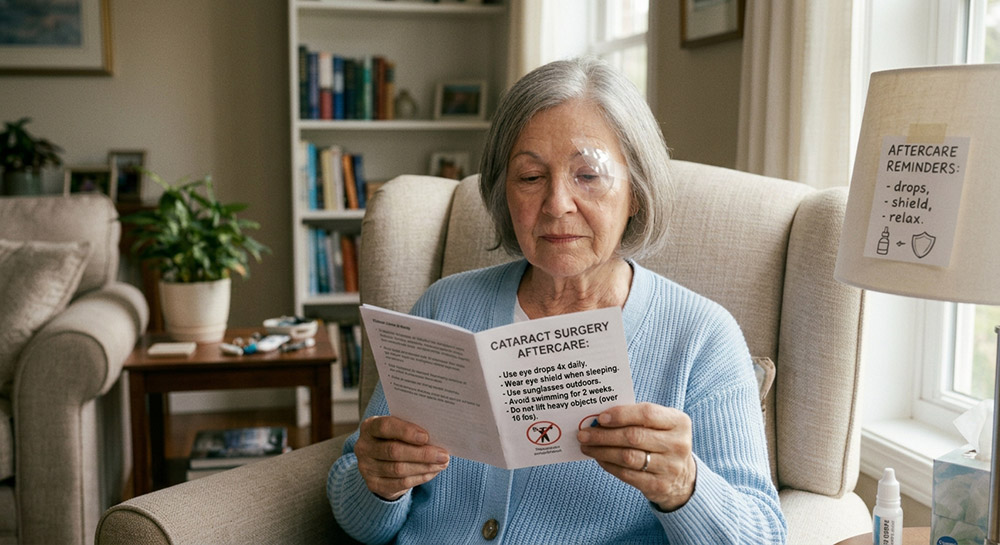
Cataract surgery aftercare is generally straightforward, with prescribed eye drops and a few temporary precautions helping the eye heal comfortably.
Things You Should Avoid After Cataract Surgery
The precautions after cataract surgery are generally temporary. They are designed to keep the healing eye away from unnecessary pressure, irritation and contamination during the period when the small surgical incision is settling.
Do Not Rub or Press on the Eye
Some grittiness, watering or mild irritation can occur after cataract surgery, but avoid rubbing the eye even if it feels itchy. If the eye waters, gently dab around it with a clean tissue rather than pressing directly on the eye.
Avoid Heavy Lifting and Strenuous Exercise
Gentle movement is encouraged, but heavier exercise, lifting and physically demanding activity should be avoided during the early recovery period. These activities can generally be reintroduced as the eye heals, with the timing depending on your recovery and the type of activity involved.
Keep Water, Soap and Shampoo Out of the Eye
You can wash and shower after cataract surgery, but take a little extra care around the operated eye. Avoid directing water into it and try to keep soap, shampoo and other products away from the eye while it is healing.
Avoid Swimming During the Early Healing Period
Swimming pools, spas and natural bodies of water are best avoided while the eye is healing because they can expose it to bacteria and other irritants. We will advise you when it is appropriate to return to swimming based on how recovery is progressing.
Avoid Dust, Dirt and Other Eye Irritants
Dusty work, gardening, DIY and similar activities can expose the eye to particles while it is still settling. These do not necessarily need to be avoided for the entire recovery period, but it is sensible to keep the eye away from dusty or dirty environments during the early stages and use suitable eye protection once you return.
Avoid Eye Makeup Until the Eye Has Healed
Mascara, eyeliner, and other products used close to the eye can introduce small particles or require rubbing during application and removal. Leave eye makeup out of your routine during the early recovery period and follow the advice you are given about when it can be safely restarted.
Do Not Drive Until Your Vision Is Safe
You will need someone else to take you home after cataract surgery. Returning to driving depends on how quickly your vision recovers and whether you can see well enough to drive safely, rather than simply reaching a particular number of days after the operation.

Protecting the operated eye from rubbing, water and unnecessary irritation can help support smooth healing after cataract surgery.
How Long Do Cataract Surgery Precautions Last?
Many patients return to gentle everyday activities within a few days, even though the eye continues healing for longer. Reading, screens, walking and other light activities can generally restart relatively quickly, while more strenuous exercise, swimming and activities that expose the eye to dirt or irritation may need to wait.
Full recovery is generally expected at around four weeks, although vision may begin improving much sooner. There is no need to treat the entire recovery period as four weeks of restrictions: precautions can be relaxed progressively as the eye heals and we will advise you if anything needs to be avoided for longer.
When to Seek Advice After Cataract Surgery
Some temporary blur, grittiness, watering, dryness or light sensitivity can occur while the eye settles after cataract surgery. These symptoms should gradually become less noticeable rather than becoming progressively more uncomfortable.
Increasing pain, marked redness, a sudden change or reduction in vision, new flashes or a sudden increase in floaters should be assessed promptly. If you are unsure whether something you are experiencing is part of normal recovery, contact us rather than waiting for the next scheduled appointment.
Supporting a Smooth Recovery After Cataract Surgery
Most cataract surgery aftercare comes down to a few straightforward habits: use your eye drops as prescribed, keep the eye clean, avoid rubbing it and give strenuous or potentially irritating activities a little more time. These precautions are temporary and normal routines can be reintroduced progressively as the eye heals.
At Ashford Advanced Eye Care, we provide clear postoperative instructions and follow the eye throughout recovery so you know what to expect at each stage. If you are considering cataract surgery in Adelaide, please contact us for more information or book an assessment online to discuss the procedure, aftercare and your individual treatment plan.
Post-Cataract Surgery Care FAQs
Can I watch TV after cataract surgery?
Yes. You can generally watch television as soon as you feel comfortable after cataract surgery. It will not interfere with healing, although you may prefer shorter periods at first if the eye feels tired or sensitive.
Can I use a computer or phone after cataract surgery?
Yes. Using a computer, tablet, or phone will not damage the operated eye. Your vision may still be settling during early recovery, so take a break if prolonged screen use becomes uncomfortable.
How should I sleep after cataract surgery?
You can sleep normally, but avoid putting direct pressure on the operated eye while it is healing. If you have been given an eye shield to wear at night, use it for the period advised.
Can I cook after cataract surgery?
Yes. Light cooking can usually be resumed once you feel comfortable. During the early recovery period, take a little extra care around steam, hot oil or splashes and avoid anything that could accidentally irritate the operated eye.
Can I go outside after cataract surgery?
Yes. There is no need to remain indoors after cataract surgery. Bright sunlight or wind may feel uncomfortable initially, so sunglasses can make being outside more comfortable while the eye settles.
When can I wear eye makeup after cataract surgery?
Eye makeup should be avoided during the early healing period because products and applicators can irritate the eye or introduce particles around it. We will advise you when it is appropriate to start using mascara, eyeliner and other eye-area cosmetics again.
Can I wear my usual glasses after cataract surgery?
Yes, if they still feel comfortable, although your previous prescription may no longer suit the operated eye. Once your vision has settled, we can determine whether you need an updated glasses prescription.
Is a watery or gritty eye normal after cataract surgery?
Yes. Mild watering, grittiness, dryness or irritation can occur while the eye settles after surgery. These symptoms should gradually improve rather than becoming more pronounced.
What should I do if I accidentally rub my eye after cataract surgery?
Avoid rubbing it again and pay attention to how the eye feels afterwards. If you develop pain, increasing redness or a noticeable change in vision, contact us for advice.
How long will I need eye drops after cataract surgery?
This depends on the drops prescribed and your individual postoperative plan. Continue using them according to the instructions provided and do not stop them early simply because the eye feels comfortable.