
Pterygium (Surfer’s Eye) Treatment in Adelaide
Clear Assessment and Care to Protect Long-Term Eye Health
- 40+ years experience with over 30,000 eye surgeries
- Surgical results published word wide in scientific literature
- Published 100+ research papers in scientific journals
- Trusted to train doctors worldwide in advanced laser vision techniques
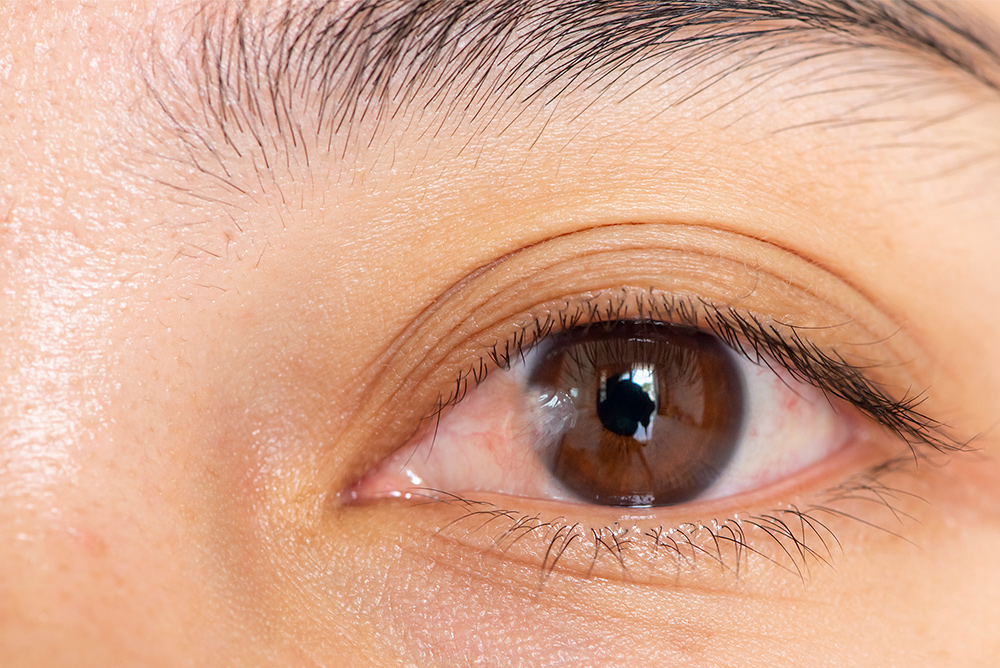
Pterygium, often referred to as Surfer’s Eye, is a common eye condition where a growth develops on the surface of the eye and may extend onto the cornea. It can cause persistent irritation, redness, dryness and in some cases, vision changes.
Pterygium treatment in Adelaide is guided by how the condition is affecting your eye comfort and corneal health. With the right assessment and monitoring, many cases can be managed conservatively. For more advanced cases, pterygium surgery may be recommended to remove the tissue and reduce the risk of ongoing corneal changes.
What Is a Pterygium?
A pterygium is a growth of tissue that develops from the conjunctiva (the clear lining over the white of the eye) and can gradually extend across the cornea. This is why it is sometimes described as a growth “creeping” over the front of the eye.
Pterygium is commonly linked to long-term exposure to ultraviolet (UV) light, wind and dry or dusty environments, which is why it is often called Surfer’s Eye. While many pterygia remain mild, some can become thicker or more prominent over time and may interfere with the smooth surface of the cornea, affecting how light enters the eye.
Common Symptoms of Pterygium
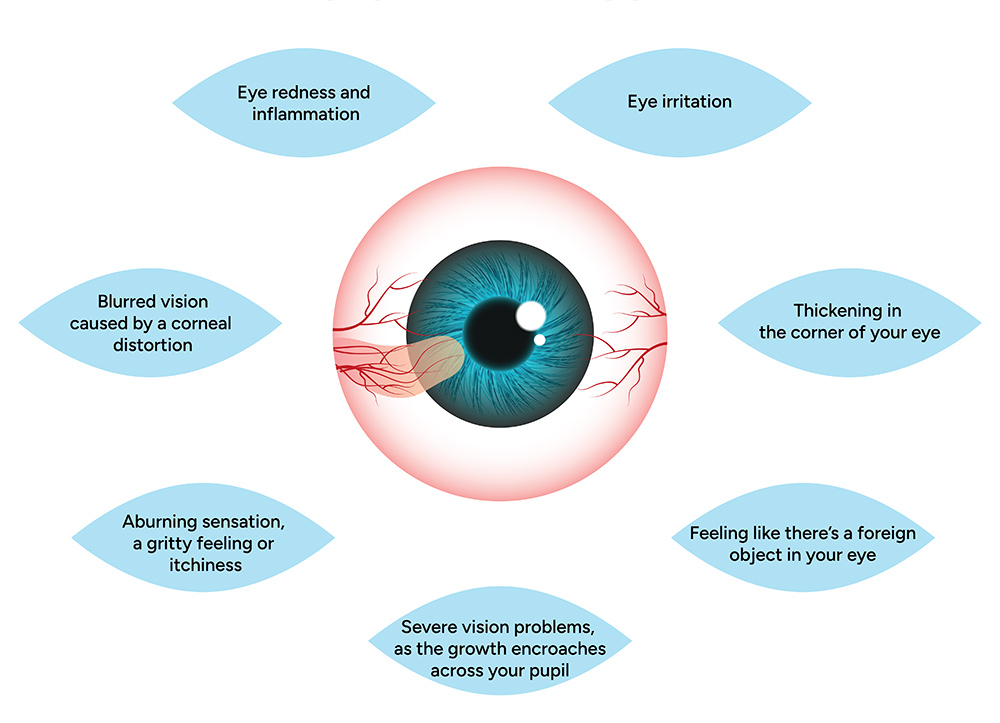
Pterygium symptoms can vary from mild irritation through to more noticeable discomfort and visual disturbance. Some people mainly notice the appearance of the growth, while others experience ongoing surface irritation.
Symptoms may include:
- Redness that does not fully settle
- A gritty or foreign body sensation in the eye
- Dryness, burning, or watering
- Increased irritation in wind, dust, or air conditioning
- A visible growth on the white of the eye
- Blurred vision or distortion if the cornea is affected
How Pterygium Is Diagnosed
Diagnosing pterygium involves a detailed eye examination to confirm the type of growth and assess whether it is affecting the cornea or vision. This is an important step in planning the most appropriate pterygium treatment in Adelaide, whether monitoring is sufficient or surgery is likely to be needed.
Assessment may include:
- Examining the conjunctiva and cornea using magnification
- Measuring the size and position of the pterygium
- Checking for corneal irritation or surface irregularity
- Assessing vision changes and signs of astigmatism
- Monitoring progression over time, particularly if the growth is advancing
When to Consider Pterygium Treatment
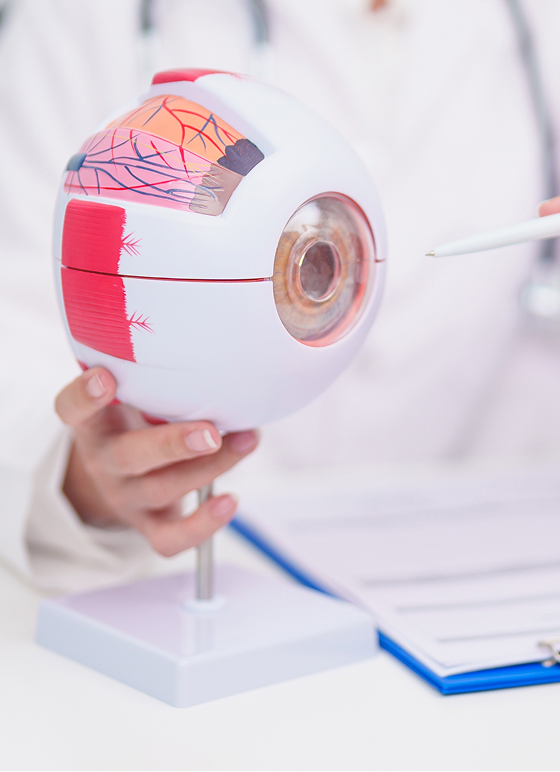
Not every pterygium requires surgery. In many cases, conservative pterygium eye treatment can help manage symptoms and support long-term surface comfort. However, treatment may need to be escalated if the pterygium begins to affect the cornea or causes ongoing disruption to daily comfort.
Pterygium treatment may be recommended if:
- Symptoms such as irritation, dryness or redness persist despite conservative care
- The growth is increasing in size or thickness
- There is corneal involvement that may affect vision quality
- Astigmatism develops or worsens over time
- The pterygium approaches the central cornea, increasing the risk of visual disturbance
- The eye surface becomes consistently inflamed or uncomfortable
Pterygium Treatment Options
Pterygium treatment is tailored to the size of the growth, the level of irritation it is causing and whether the cornea is being affected. Some people only require monitoring and supportive care, while others benefit from pterygium surgery if the tissue is progressing or beginning to impact vision quality.
Conservative Management
Mild cases of pterygium can often be managed conservatively to reduce surface irritation and support day-to-day comfort. This approach may involve lubricating drops to ease dryness, managing inflammation when appropriate and minimising exposure to triggers such as UV light, wind and dust. Regular reviews can also help track whether the pterygium remains stable or shows signs of growth towards the cornea.
Pterygium Surgery
Pterygium surgery may be recommended when the growth becomes increasingly symptomatic, continues to enlarge, or begins to interfere with the cornea. During pterygium removal surgery, the abnormal tissue is carefully removed, and a conjunctival graft may be placed to reduce the risk of recurrence. Your surgeon will advise whether this is appropriate based on the location and severity of the pterygium, as well as any existing corneal changes.
Vision Quality After Surgery (Recurrence and Corneal Changes)
Two considerations are important following pterygium removal. The first is recurrence, where the tissue may return over time. While recurrence risk varies between individuals, the use of a conjunctival graft is commonly used to help reduce the likelihood of the condition coming back.
The second relates to corneal recovery. In some cases, the cornea may not fully regain a smooth surface after surgery, particularly if the pterygium was advanced before removal, which can affect visual clarity.
Corneal Regularisation (If Required)
If vision does not return as expected after pterygium surgery, this may be due to residual irregularity on the corneal surface. In selected cases, corneal regularisation using an excimer laser may be considered to improve the smoothness of the cornea and help optimise vision quality once healing has stabilised.
What to Expect From Pterygium Treatment
Pterygium treatment focuses on preserving corneal health, improving comfort and reducing the likelihood of progression towards vision-threatening changes. For mild cases, this may involve regular review and supportive care. For more advanced cases, treatment may involve pterygium surgery with follow-up monitoring.
Most people require follow-up appointments to ensure the eye surface is healing well, review symptoms and assess vision stability. Treatment plans may also change over time depending on whether the pterygium remains stable or shows signs of progression.
Why Choose Us for Your Pterygium Treatment
At Ashford Advanced Eye Care, pterygium treatment is based on careful assessment, clear clinical decision-making and a long-term approach to protecting corneal health. Each patient is supported with thorough evaluation, detailed explanations and treatment planning tailored to their individual needs.
Whether your care involves monitoring, conservative management, or pterygium surgery in Adelaide, the focus is always on accurate diagnosis, appropriate treatment selection and consistent follow-up to support long-term eye health.

Meet Associate Professor Michael Goggin

Experienced in Corneal Cross-Linking for Keratoconus
Associate Professor Michael Goggin has extensive experience performing corneal cross-linking, a procedure used to help slow the progression of keratoconus. He carefully assesses suitability for treatment and guides patients through each stage of the process, with a strong focus on safety, clear communication, and informed decision-making.
His approach combines clinical precision with compassionate care, helping patients understand how cross-linking works, what to expect during recovery, and how the procedure fits into their overall eye care plan.
How to Book an Appointment
Booking an appointment for pterygium assessment and treatment in Adelaide is simple and convenient. The clinic welcomes new patients and referrals for the assessment, diagnosis and management of pterygium and related eye conditions.
Please note that consultation fees vary depending on the type of appointment and will be discussed at the time of booking. A referral from your GP or optometrist is also required for consultations to be eligible for Medicare rebates. Our team will guide you through this at the time of booking.
To arrange an appointment or referral:
- Call the clinic directly on Tel: 8293 2700
- Book online via the Book an Assessment page
- Submit a general enquiry through the Contact Us page
- Complete your details on the Referral Page to generate a referral form
Frequently Asked Questions
Can a pterygium go away on its own?
A pterygium does not usually go away without treatment. In many cases, it remains stable and can be managed with monitoring and supportive care, but it may gradually increase in size over time.
What causes pterygium (Surfer’s Eye)?
Pterygium is commonly linked to long-term exposure to UV light, wind and dry or dusty conditions. This is why it is often seen in people who spend a lot of time outdoors, including those involved in water sports.
When does a pterygium need surgery?
Pterygium surgery may be recommended when the growth is progressing, causing persistent irritation, or starting to affect the cornea and vision quality. This can include increasing redness and discomfort, worsening astigmatism, or growth approaching the central cornea.
Can pterygium come back after surgery?
Yes, pterygium can recur after removal, although the risk varies between individuals. Using a conjunctival graft during pterygium surgery is one approach that may help reduce recurrence.
Will my vision return to normal after pterygium removal?
Vision can improve after pterygium removal if the growth was affecting the cornea, but the outcome depends on how much corneal change occurred before surgery and how the eye heals afterwards. In some cases, residual corneal irregularity may continue to affect vision quality, and further options may be discussed if needed.
Ready to Take the Next Step?
Schedule a comprehensive consultation to discuss your Pterygium treatment options.