
Hyperopia (Long-Sightedness) Treatment in Adelaide
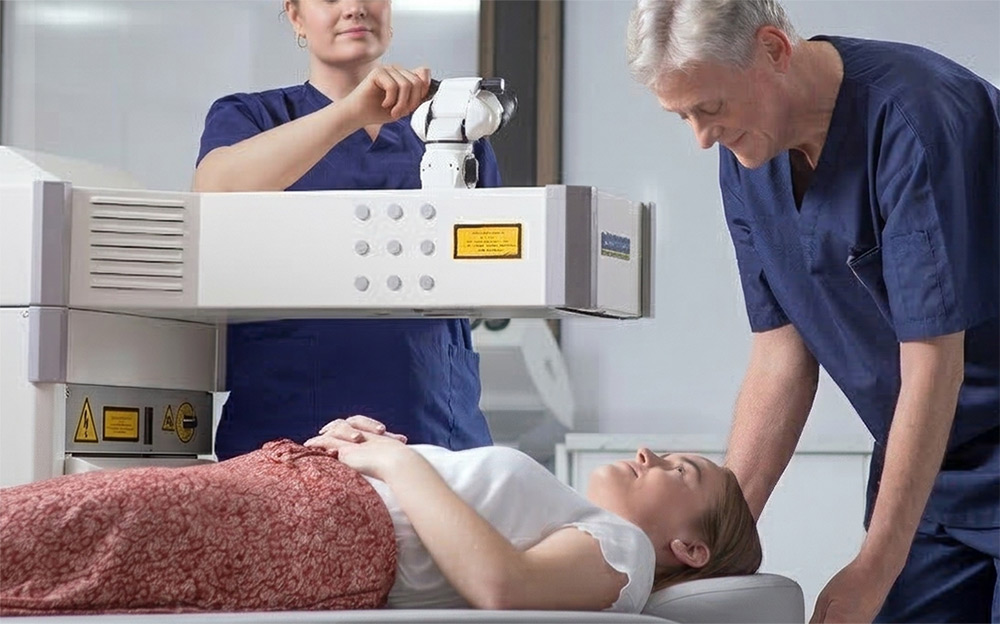
Comfortable Near Vision Starts With Accurate Assessment
- 40+ years experience with over 30,000 eye surgeries
- Surgical results published word wide in scientific literature
- Published 100+ research papers in scientific journals
- Trusted to train doctors worldwide in advanced laser vision techniques
Hyperopia, also known as long-sightedness, is a common vision condition that can make close-up tasks feel difficult or tiring, even when distance vision appears relatively clear. Some people notice symptoms early, while others only become aware of the problem when reading, screen use or prolonged concentration starts to cause strain.
At Ashford Advanced Eye Care, hyperopia treatment in Adelaide focuses on precise diagnosis and treatment planning tailored to how your eyes function in everyday life. Management is designed not only to improve visual clarity but also to reduce focusing effort and support long-term visual comfort.
For many individuals, correction with glasses or contact lenses provides a reliable improvement. In other cases, particularly where visual demands are high or symptoms persist, a more structured treatment approach may be recommended.

What Is Hyperopia (Long-Sightedness)?
Hyperopia is a refractive error where the eye does not focus light directly on the retina. Instead, light tends to focus behind it, which means the eyes must work harder to maintain clear vision, especially at close distances. This extra focusing effort can lead to eye fatigue even when the blur is not immediately obvious.
Long-sightedness is often linked to the natural shape of the eye, including a slightly shorter eye length or reduced focusing power. Many younger people can compensate for hyperopia for years, which is why symptoms may appear gradually rather than suddenly. Over time, however, sustained near tasks such as reading or screen work can become increasingly uncomfortable.
Why Early Assessment and Monitoring Matter
Hyperopia is not always obvious during everyday activities, particularly in children and younger adults whose eyes can temporarily compensate for focusing errors. A detailed assessment helps identify hidden or developing long-sightedness before ongoing strain begins to affect comfort or performance.
In adults, changes in natural focusing ability can make previously manageable hyperopia more noticeable. Regular reviews help ensure correction remains appropriate and that unnecessary visual fatigue is avoided. Early diagnosis also supports clearer treatment planning as visual demands change over time.
Common Types of Hyperopia
Long-sightedness varies in degree and presentation, and understanding the pattern helps guide the most appropriate treatment strategy.
- Mild hyperopia: Vision may appear mostly clear, but prolonged near work can cause fatigue or headaches.
- Moderate hyperopia: Reading and close tasks often require more effort, with clearer benefit from correction.
- High hyperopia: Stronger prescriptions are usually needed, with closer monitoring to maintain comfortable vision.
- Latent hyperopia: A form that remains partly hidden due to the eye’s natural focusing ability, often becoming more noticeable with age or visual demand.
Symptoms and Early Signs of Long-Sightedness
Hyperopia symptoms are often linked more to eye strain than obvious blur, which means they can be overlooked for long periods.
- Blurred or fluctuating near vision: Difficulty maintaining clear focus when reading or using screens.
- Eye strain: Tired or aching eyes after close work.
- Headaches: Often developing after sustained concentration or reading.
- Frequent refocusing: Needing to pause or adjust focus during near tasks.
- Visual fatigue: Reduced comfort with prolonged close-up activities.
If these symptoms sound familiar, a long-sightedness assessment in Adelaide can determine whether hyperopia is contributing to visual discomfort.
How Hyperopia Is Diagnosed
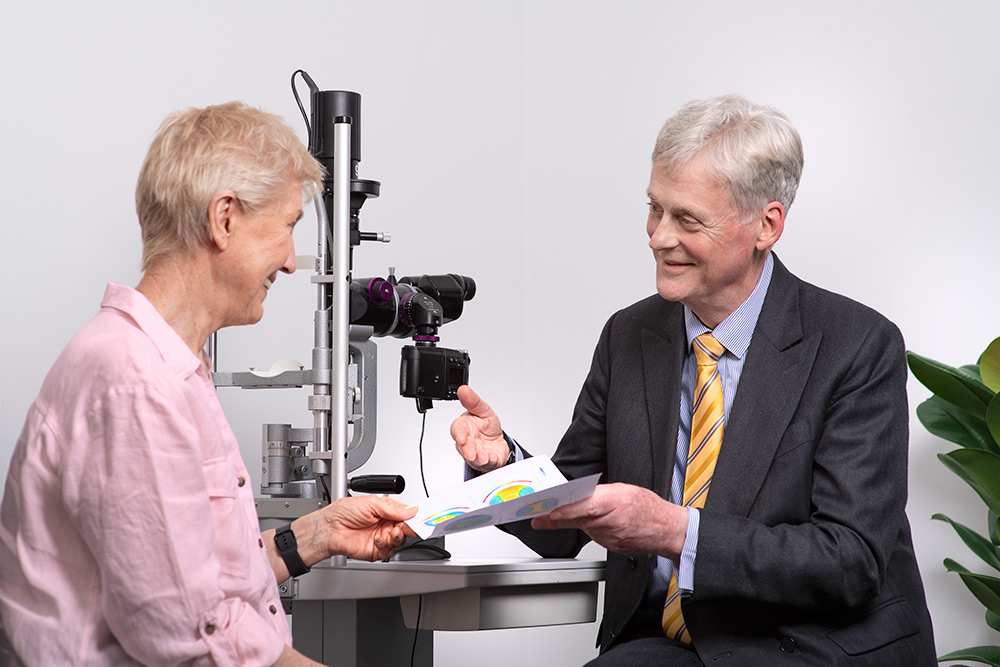
Diagnosing hyperopia involves a comprehensive eye assessment that measures refractive error, focusing behaviour and overall eye health. Testing evaluates how the eyes perform at different distances and whether additional focusing effort is being used to maintain clarity.
Where appropriate, baseline measurements may be taken to support ongoing monitoring, particularly when symptoms suggest hidden hyperopia or changing visual demands. This detailed approach helps ensure treatment recommendations are accurate and suited to long-term visual comfort.
Hyperopia Treatment Options
Treatment for hyperopia aims to reduce focusing strain and improve clarity for near tasks while supporting stable, comfortable vision. Recommendations are based on prescription strength, lifestyle needs and overall eye health.
Glasses and Contact Lenses
Glasses and contact lenses remain the most common treatment for long-sightedness, helping the eyes focus more efficiently and reducing the effort required for reading, screen use and other close work. Prescriptions may change over time, so regular reviews help maintain consistent visual comfort.
Laser Vision Correction
Laser vision correction may be suitable for some adults with stable hyperopia who wish to reduce reliance on glasses or contact lenses. Suitability depends on factors such as corneal measurements, prescription stability and general eye health, which are carefully assessed during a detailed pre-treatment consultation.
Why Choose Us for Your Hyperopia Treatment
At Ashford Advanced Eye Care, hyperopia treatment in Adelaide is delivered through a consultant-led and evidence-based approach. Every consultation focuses on understanding how vision functions in real-world situations, allowing treatment plans to be tailored to both clinical findings and daily visual needs.
- Consultant-led care: Thorough assessment and continuity throughout diagnosis and management.
- Advanced diagnostic capability: Detailed testing to support accurate prescriptions and monitoring.
- Clear treatment guidance: Practical explanations of treatment options and suitability.
- Long-term vision focus: Care designed to support both immediate comfort and ongoing eye health.
Our team is committed to providing structured, personalised care that supports clear and comfortable vision over the long term.
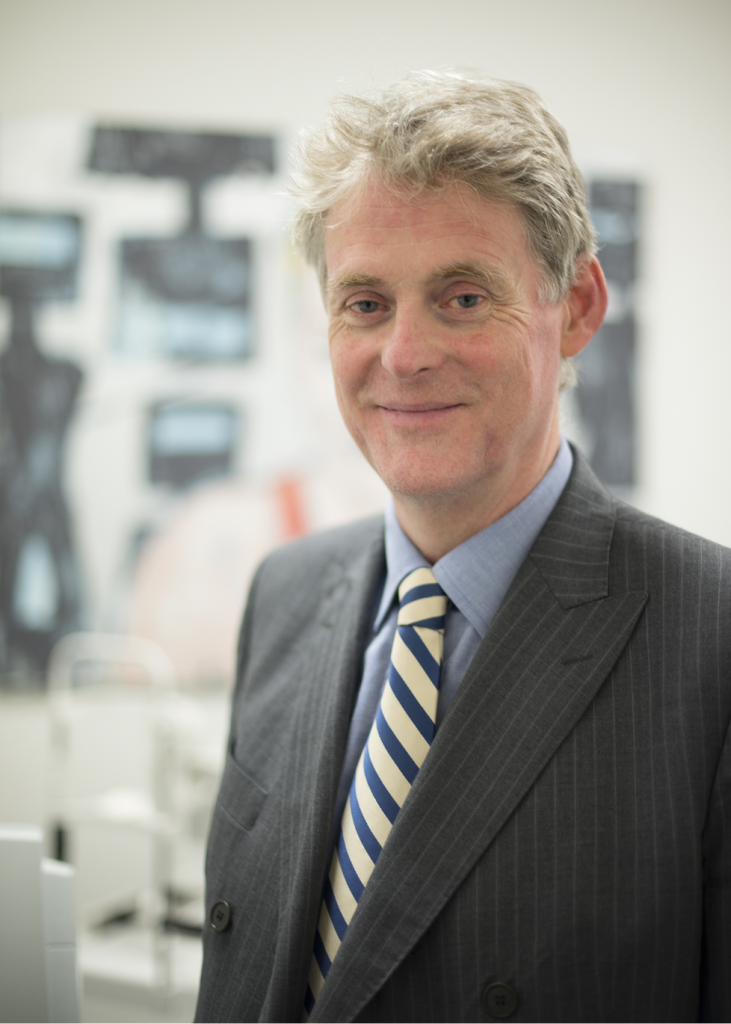
Meet Associate Professor Michael Goggin
Experienced in Corneal Cross-Linking for Keratoconus
Associate Professor Michael Goggin has extensive experience performing corneal cross-linking, a procedure used to help slow the progression of keratoconus. He carefully assesses suitability for treatment and guides patients through each stage of the process, with a strong focus on safety, clear communication, and informed decision-making.
His approach combines clinical precision with compassionate care, helping patients understand how cross-linking works, what to expect during recovery, and how the procedure fits into their overall eye care plan.
How to Book an Appointment
Booking an appointment for hyperopia treatment in Adelaide is simple and convenient. The clinic welcomes new patients and referrals for the diagnosis, treatment and ongoing management of long-sightedness and related vision concerns.
Consultation fees vary depending on appointment type and will be discussed when booking. A referral from your GP or optometrist is required for consultations to be eligible for Medicare rebates, and our team will guide you through this process when arranging your visit.
To arrange an appointment or referral:
- Call the clinic directly on Tel: 8293 2700
- Book online via the Book an Assessment page
- Submit a general enquiry through the Contact Us page
- Complete your details on the Referral Page to generate a referral form
Frequently Asked Questions
Can long-sightedness get worse over time?
Yes, hyperopia can change over time, particularly as the eyes naturally lose focusing ability with age. Regular eye assessments help ensure your prescription remains appropriate and comfortable for daily activities.
Is hyperopia the same as long-sightedness?
Yes, hyperopia is the clinical term for long-sightedness. It describes a refractive error where the eyes work harder to focus on near objects, which can cause blur or eye strain during close-up tasks.
Can children grow out of hyperopia?
Some children with mild hyperopia may experience improvement as their eyes develop, while others may continue to need correction. Regular monitoring helps ensure vision develops properly and supports comfortable learning and reading.
Can laser eye surgery treat hyperopia?
Laser vision correction may be suitable for some adults with stable hyperopia, depending on factors such as prescription stability and corneal measurements. A detailed assessment is required to determine whether this option is appropriate.
What are the early signs of long-sightedness in adults?
Early signs often include eye strain, headaches, or difficulty maintaining clear focus during reading or screen use. Many people notice symptoms gradually, which is why a professional eye assessment is important if visual fatigue develops.
Ready to Take the Next Step?
Schedule a comprehensive consultation to discuss your Hyperopia treatment options.