
Glaucoma Treatment
in Adelaide
Protecting Your Vision Through Early Detection and Ongoing Care
- 40+ years experience with over 30,000 eye surgeries
- Surgical results published word wide in scientific literature
- Published 100+ research papers in scientific journals
- Trusted to train doctors worldwide in advanced laser vision techniques
Glaucoma is a common eye condition that can lead to progressive damage of the optic nerve, which carries visual information from the eye to the brain. In many cases, this damage is linked to increased pressure inside the eye and may develop gradually without noticeable symptoms in the early stages.
Glaucoma treatment focuses on reducing eye pressure and slowing or preventing further damage to the optic nerve. With early diagnosis, regular monitoring and appropriate management, many people can preserve their vision and maintain long-term eye health.
What Is Glaucoma?
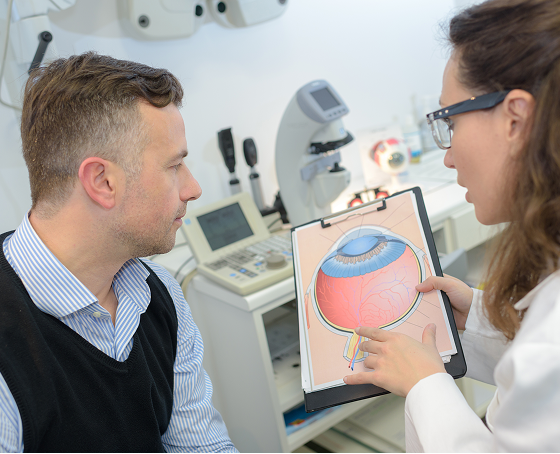
Glaucoma is an eye disease that affects the optic nerve, a vital structure responsible for transmitting visual signals to the brain. Damage to this nerve can result in gradual and permanent vision loss if the condition is not identified and managed appropriately.
In most cases, glaucoma is associated with elevated intraocular pressure, although some forms occur even when eye pressure remains within a normal range. As symptoms often develop slowly, glaucoma is commonly detected during routine eye examinations rather than through obvious vision changes.
Why Glaucoma Requires Ongoing Management
Glaucoma is usually a long-term condition rather than a one-time issue. While existing optic nerve damage cannot typically be reversed, appropriate management aims to slow disease progression and protect remaining vision. Ongoing care involves regular eye assessments, consistent monitoring of eye pressure and adjustments to treatment over time to maintain stable eye health.
Common Types of Glaucoma
There are several types of glaucoma, each with distinct characteristics and management considerations. Identifying the specific type helps guide the most appropriate glaucoma treatment approach.
- Open-angle glaucoma: The most common form, developing gradually with few early symptoms
- Angle-closure glaucoma: A less common type that may develop suddenly and require urgent assessment
- Normal-tension glaucoma: Optic nerve damage occurs despite eye pressure remaining within the normal range
- Secondary glaucoma: Develops as a result of another eye condition, injury, or underlying medical factor

Symptoms and Early Warning Signs of Glaucoma
Glaucoma can be difficult to detect early because symptoms are often minimal or absent in the initial stages. Many people are unaware of the condition until changes are identified during an eye examination.
As glaucoma progresses, symptoms may include:
- Gradual loss of peripheral vision
- Difficulty seeing in low-light environments
- Blurred or narrowed vision in more advanced stages
How Glaucoma Is Diagnosed
Diagnosing glaucoma involves a comprehensive eye assessment rather than a single test. This allows eye specialists to evaluate optic nerve health, measure eye pressure and detect subtle changes over time.
Assessment may include:
- Measurement of intraocular pressure
- Examination of the optic nerve
- Visual field testing to assess peripheral vision
- Advanced imaging to monitor structural changes within the eye
Glaucoma Treatment Options
Glaucoma treatment aims to lower intraocular pressure and reduce the risk of further optic nerve damage. The most appropriate approach depends on the type and severity of glaucoma, as well as individual eye health factors.
Medical Management
For many patients, glaucoma treatment begins with prescription eye drops. These are used long-term to help control eye pressure and are often the first line of management. Ongoing monitoring ensures treatment remains effective and well tolerated.
Laser Treatment
Laser procedures may be recommended when eye drops alone are not sufficient or suitable. Laser treatment can help improve fluid drainage within the eye or reduce fluid production, supporting better pressure control.
Surgical Options
In certain cases, surgical treatment may be considered to further manage eye pressure when other options are not achieving adequate control. Surgery is typically reserved for more advanced or complex cases and is carefully discussed as part of a broader management plan.
What to Expect From Glaucoma Treatment
Glaucoma treatment is focused on long-term stability rather than short-term correction. Most people will require regular follow-up appointments to monitor eye pressure, optic nerve health and visual function.
Treatment plans may evolve over time, with adjustments made based on how the condition responds. Clear communication and consistent care are essential parts of successful glaucoma management.
Why Early Assessment Matters
As glaucoma often develops without early symptoms, routine eye examinations are essential, particularly for individuals with risk factors such as family history or increasing age. Early assessment allows glaucoma to be detected before significant vision loss occurs, improving the likelihood of preserving long-term visual function through timely treatment.
Why Choose Us for Your Glaucoma Treatment
At Ashford Advanced Eye Care, glaucoma treatment is delivered through a comprehensive and patient-focused approach. Care is centred on thorough assessment, accurate diagnosis and ongoing management tailored to individual eye health needs.
Patients benefit from consultant-led care, advanced diagnostic capabilities and clear explanations at every stage of their treatment journey. The focus is always on supporting long-term eye health through careful monitoring and evidence-based treatment decisions.

Meet Associate Professor Michael Goggin

Experienced in Corneal Cross-Linking for Keratoconus
Associate Professor Michael Goggin has extensive experience performing corneal cross-linking, a procedure used to help slow the progression of keratoconus. He carefully assesses suitability for treatment and guides patients through each stage of the process, with a strong focus on safety, clear communication, and informed decision-making.
His approach combines clinical precision with compassionate care, helping patients understand how cross-linking works, what to expect during recovery, and how the procedure fits into their overall eye care plan.
How to Book an Appointment
Booking an appointment for glaucoma assessment and treatment in Adelaide is simple and convenient. The clinic welcomes new patients and referrals for the assessment, diagnosis and ongoing management of glaucoma and related eye conditions.
Please note that consultation fees vary depending on the type of appointment and will be discussed at the time of booking. A referral from your GP or optometrist is also required for consultations to be eligible for Medicare rebates. Our team will guide you through this at the time of booking.
To arrange an appointment or referral:
- Call the clinic directly on Tel: 8293 2700
- Book online via the Book an Assessment page
- Submit a general enquiry through the Contact Us page
- Complete your details on the Referral Page to generate a referral form
Frequently Asked Questions
Can glaucoma be cured?
Glaucoma cannot usually be cured, as damage to the optic nerve is permanent. Treatment focuses on slowing progression and preserving remaining vision through ongoing management.
How is glaucoma treated?
Glaucoma treatment aims to lower pressure inside the eye using medication, laser treatment, or surgery, depending on the type and severity of the condition. The approach is tailored to each person’s eye health and monitored over time.
Is glaucoma treatment lifelong?
In most cases, glaucoma requires long-term or lifelong management. Regular follow-up is important to ensure treatment remains effective and adjusted as needed.
How often should glaucoma be monitored?
Monitoring frequency depends on the type of glaucoma and how stable eye pressure and optic nerve health are. Some people require more frequent reviews, while others may be assessed at longer intervals.
Can glaucoma cause permanent vision loss?
Glaucoma can lead to permanent vision loss if it is not identified and managed appropriately. Early detection and consistent treatment significantly reduce the risk of progression.
Can glaucoma affect both eyes?
Glaucoma often affects both eyes, although it may progress at different rates in each eye. Ongoing assessment helps monitor changes and guide treatment for both eyes.
Does glaucoma treatment have side effects?
Some glaucoma treatments can cause side effects, which vary depending on the type of treatment used. Your eye specialist will discuss potential effects and adjust management if needed.
Who is at higher risk of developing glaucoma?
Risk factors for glaucoma can include increasing age, family history and certain medical conditions. An eye assessment helps determine individual risk and whether monitoring or treatment is required.
Ready to Take the Next Step?
Schedule a comprehensive consultation to discuss your keratoconus treatment options and determine if corneal cross-linking is right for you.