
Keratoconus Treatment Adelaide

Strengthening and Stabilising the Cornea for Lasting Vision Protection
- 40+ years experience with over 30,000 eye surgeries
- Surgical results published word wide in scientific literature
- Published 100+ research papers in scientific journals
- Trusted to train doctors worldwide in advanced laser vision techniques
Keratoconus causes the cornea to become thinner and more irregular in shape, leading to blurred or distorted vision. Without treatment, it can progress and make everyday activities such as reading or driving more difficult. Keratoconus treatment at Ashford Advanced Eye Care in Adelaide focuses on stabilising the cornea to prevent further damage and preserve long-term visual clarity.

What Is Keratoconus?
Keratoconus is a progressive condition in which the normally round cornea gradually thins and bulges into a cone-like shape. This irregular curvature distorts light entering the eye, causing increasing short-sightedness and astigmatism. The condition usually appears in the teenage years or early adulthood and can worsen for several decades before slowing naturally with age.
In advanced cases, glasses or contact lenses may no longer correct vision effectively. Early diagnosis and timely intervention are essential to slow or halt progression and protect the cornea from long-term damage.
Understanding the Early Signs of Keratoconus
Keratoconus develops gradually, and the early symptoms can be subtle. Over time, changes in the shape of the cornea affect how light focuses on the retina, leading to increasingly distorted vision. The condition can progress at different rates in each eye, which may cause uneven or fluctuating sight.
Common signs and symptoms include:
- Blurred or distorted vision that cannot be fully corrected with glasses
- Increased sensitivity to light or glare, particularly when driving at night
- Frequent changes in glasses or contact lens prescriptions
- Halos or ghosting around lights
- Eye strain, headaches or eye rubbing due to visual discomfort
- Difficulty reading or seeing clearly at intermediate or far distances
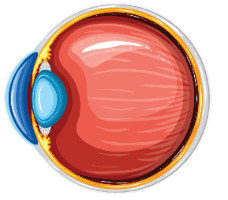
Normal Eye
A healthy cornea maintains its smooth, dome-shaped structure, allowing light to focus properly on the retina for clear vision.
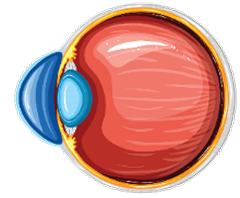
Keratoconus
With keratoconus, the cornea thins and bulges into a cone shape, distorting vision and causing irregular astigmatism.
Treatment Options for Keratoconus
Keratoconus is a progressive disease of the cornea at the front of the eye. The goal of keratoconus treatment is to stabilise the cornea and prevent the condition from worsening. The most effective and widely used treatment is corneal collagen cross-linking, which strengthens the corneal structure and reduces the likelihood of further distortion.
During this procedure, the cornea is treated with vitamin B2 (riboflavin) eye drops and exposed to a specific wavelength of ultraviolet light. This process strengthens the bonds between collagen fibres within the cornea, improving its rigidity and stability over time.
Corneal cross-linking has helped many patients avoid the need for a corneal transplant by preventing further progression. For a detailed overview of this treatment, visit our dedicated Cross-Linking Eye Surgery page.
Who Is Suitable for Keratoconus Treatment?
Keratoconus treatment is most effective when performed in the early or moderate stages of the disease. A detailed eye assessment determines suitability based on corneal shape, thickness and disease progression.
You may be suitable if you:
- Have been diagnosed with progressive keratoconus
- Experience frequent changes in glasses or contact lens prescriptions
- Have adequate corneal thickness for treatment
- Are in generally good eye health with no uncontrolled inflammation
- Wish to preserve your vision and avoid a future corneal transplant
The Cross-Linking Procedure
What to expect during your treatment
Anaesthesia and Preparation
The eye is anaesthetised with drops to ensure your comfort. The surface layer of cells on the cornea (the epithelium or "skin") is gently removed to allow the riboflavin drops to penetrate the cornea effectively.
Riboflavin Application
Riboflavin (vitamin B2) drops are applied to the cornea for half an hour. During this time, the drops saturate the corneal tissue, preparing it for the cross-linking process.
Ultraviolet Light Exposure
The cornea is then exposed to controlled ultraviolet light for another half hour. The eye is kept numb and held open during this time. The combination of riboflavin and UV light creates chemical bonds that strengthen the corneal tissue.
Bandage Contact Lens
A bandage contact lens is placed on the eye to protect it and promote healing. You can then leave for home. Tablets to assist with sleeping and manage any discomfort are provided, along with drops to use during the first weeks.

Anaesthesia and Preparation
The eye is anaesthetised with drops to ensure your comfort. The surface layer of cells on the cornea (the epithelium or "skin") is gently removed to allow the riboflavin drops to penetrate the cornea effectively.

Riboflavin Application
Riboflavin (vitamin B2) drops are applied to the cornea for half an hour. During this time, the drops saturate the corneal tissue, preparing it for the cross-linking process.

Ultraviolet Light Exposure
The cornea is then exposed to controlled ultraviolet light for another half hour. The eye is kept numb and held open during this time. The combination of riboflavin and UV light creates chemical bonds that strengthen the corneal tissue.

Bandage Contact Lens
A bandage contact lens is placed on the eye to protect it and promote healing. You can then leave for home. Tablets to assist with sleeping and manage any discomfort are provided, along with drops to use during the first weeks.

Benefits of Keratoconus Treatment

Corneal cross-linking offers proven results for stabilising keratoconus and maintaining long-term visual stability. It helps protect the cornea from further damage while improving the overall quality of vision.
Key benefits include:
- Slows or halts the progression of keratoconus
- Strengthens the cornea and enhances long-term stability
- Reduces the likelihood of needing a corneal transplant
- Provides lasting vision protection when performed early
- Safe, minimally invasive procedure with a strong success record
- In some cases the irregular corneal shape caused by the disease can be regularised with laser treatment
Recovery and Results
Recovery following keratoconus treatment is generally straightforward. Patients may experience mild discomfort or sensitivity for a few days while the surface of the cornea heals. Vision often fluctuates before stabilising over the following weeks and months.
Most patients notice gradual improvements in visual stability once healing is complete. Regular follow-up visits allow the ophthalmic team to monitor progress and ensure the cornea remains strong.
Why Choose Ashford Advanced Eye Care?
Choosing where to have keratoconus treatment in Adelaide is an important decision. Led by Associate Professor Michael Goggin, Ashford Advanced Eye Care combines advanced diagnostic technology with personalised care to help preserve and protect long-term vision.
Why patients choose AAEC:
Experienced ophthalmic team
Skilled in diagnosing and managing keratoconus at all stages.
Advanced technology
State-of-the-art imaging and diagnostic tools for accurate assessment and monitoring.
Direct surgeon involvement
Each patient is personally managed by the same senior ophthalmic surgeon from consultation through to follow-up.
Comfortable, purpose-built clinic
Designed for patient reassurance with dedicated surgical and consultation facilities.
Proven outcomes
Successful treatments with long-term vision stability and patient satisfaction.
Meet Associate Professor Michael Goggin

Focus on Keratoconus Care and Ongoing Management
Associate Professor Michael Goggin has extensive experience in the diagnosis and long-term management of keratoconus. He works closely with patients to monitor disease progression, explain treatment options clearly, and develop personalised care plans aimed at preserving vision and supporting long-term eye health.
With decades of ophthalmic experience, Associate Professor Goggin takes a measured, patient-centred approach to keratoconus, ensuring patients understand their condition and the options available to them as it evolves over time.
How to Book an Appointment
Booking an appointment for keratoconus treatment in Adelaide is quick and simple. The clinic welcomes new patients and referrals for assessment, diagnosis and management of keratoconus.
To arrange an appointment or referral:
- Call the clinic directly on Tel: 8293 2700
- Book online via the Book an Assessment page
- Submit a general enquiry through the Contact Us page
- Complete your details on the Referral Page to generate a referral form
Frequently Asked Questions
Can keratoconus cause blindness if left untreated?
Keratoconus does not usually cause complete blindness, but it can lead to significant vision loss if left untreated. Early diagnosis and treatment are key to preserving long-term visual function.
Is keratoconus hereditary?
Yes, keratoconus can have a genetic component and may run in families. However, environmental factors such as eye rubbing or allergies can also contribute to its development.
At what age does keratoconus usually start?
Keratoconus often begins in the teenage years or early adulthood. The condition typically progresses over several decades before stabilising later in life.
Can keratoconus be completely cured?
There is currently no cure for keratoconus, but treatments such as corneal cross-linking can successfully stop or slow its progression. These procedures help maintain corneal strength and visual stability.
How long do results from keratoconus treatment last?
Results from corneal strengthening procedures are designed to be long-lasting. Most patients experience stable vision for many years following treatment.
Can I wear contact lenses after keratoconus treatment?
Yes, many patients continue to wear specially designed contact lenses for optimal vision after treatment. Your ophthalmic professional will advise when it is safe to resume wear.
What is the difference between keratoconus and astigmatism?
Astigmatism involves a regular, oval-shaped curvature of the cornea, while keratoconus causes an irregular, cone-like bulge. Keratoconus results in more pronounced distortion and visual changes over time.
Can the irregularity of the cornea caused by keratoconus be treated?
Yes but in some select cases. A laser can be used to regularise the irregular surface.
Does insurance cover keratoconus treatment?
Coverage varies depending on your health fund and the nature of the treatment. It’s best to discuss potential costs and insurance eligibility during your consultation.
Ready to Take the Next Step?
Schedule a comprehensive consultation to discuss your keratoconus treatment options and determine if corneal cross-linking is right for you.