
Cross Linking Eye Surgery Adelaide

Strengthening the Cornea to Stop Keratoconus Progression
- 40+ years experience with over 30,000 eye surgeries
- Surgical results published word wide in scientific literature
- Published 100+ research papers in scientific journals
- Trusted to train doctors worldwide in advanced laser vision techniques
Cross-linking eye surgery, also known as corneal collagen cross-linking (CXL), is an advanced treatment that strengthens the cornea and helps prevent further progression of keratoconus. It is a safe, evidence-based procedure that uses riboflavin (vitamin B2) and controlled ultraviolet light to make the corneal tissue more rigid.
This process halts the thinning and bulging that occur in keratoconus, protecting long-term vision and reducing the likelihood of needing a corneal transplant in the future. With the right assessment and care, cross-linking can provide lasting stability and help patients maintain vision for many years.
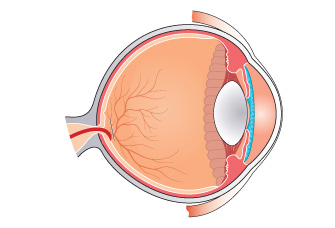
What Is Cross-Linking Eye Surgery?
Corneal cross-linking works by creating new bonds between the collagen fibres within the cornea. These additional “links” strengthen the corneal structure, helping it retain its natural shape and resist further distortion.
The treatment was introduced in the mid-2000s and is now widely used across the world to stabilise progressive keratoconus. For many patients, it prevents the need for corneal transplantation, which was once common in advanced cases. It is most effective when performed early, before significant scarring or vision loss occurs.
The Procedure
During cross-linking eye surgery, the eye is kept comfortable with anaesthetic drops. The surface layer of the cornea (epithelium) is carefully removed to allow riboflavin to penetrate the tissue. Riboflavin drops are applied for about half an hour, followed by exposure to controlled ultraviolet light for another fifteen minutes.
Throughout the procedure, the eye is held open with a small instrument and the surface remains numbed. Once complete, a soft bandage contact lens is placed on the eye to protect it during the early healing phase.
Patients are given antibiotic and anti-inflammatory drops for the following days and tablets to assist with sleep and comfort. The entire process usually takes just over an hour, and patients return home the same day.
Recovery and Follow-Up
Recovery after corneal cross-linking is gradual but predictable.
-
3 to 4 days:
The bandage contact lens is removed, and the eye is examined to ensure healing. Vision may be slightly blurred at this stage. -
1 month:
Vision typically returns as the cornea continues to stabilise. -
6 months to 2 years:
Long-term follow-ups confirm lasting results and stability.
Most people return to work or study around 7 to 10 days after treatment. Some temporary sensitivity to light or mild discomfort is normal during healing. Vision usually recovers over several weeks.
Risks and Considerations
Like any surgical procedure, cross-linking eye surgery carries some risks, although serious complications are uncommon. Antibiotic eye drops and careful post-operative care minimise these risks.
Potential risks include:
Infection
A rare but known risk of any eye procedure, managed with prescribed antibiotics.
Slow epithelial healing
Occasionally, the surface layer heals more slowly, causing mild discomfort or blurred vision that resolves over days or weeks.
Corneal scarring
Rarely, scar tissue may develop, particularly in advanced cases treated late in the disease. Further treatment may be needed in these uncommon situations.
With proper care and follow-up, most patients heal well and experience stable vision for years after cross-linking.
The Cross-Linking Procedure
What to expect during your treatment
Anaesthesia and Preparation
The eye is anaesthetised with drops to ensure your comfort. The surface layer of cells on the cornea (the epithelium or "skin") is gently removed to allow the riboflavin drops to penetrate the cornea effectively.
Riboflavin Application
Riboflavin (vitamin B2) drops are applied to the cornea for half an hour. During this time, the drops saturate the corneal tissue, preparing it for the cross-linking process.
Ultraviolet Light Exposure
The cornea is then exposed to controlled ultraviolet light for another half hour. The eye is kept numb and held open during this time. The combination of riboflavin and UV light creates chemical bonds that strengthen the corneal tissue.
Bandage Contact Lens
A bandage contact lens is placed on the eye to protect it and promote healing. You can then leave for home. Tablets to assist with sleeping and manage any discomfort are provided, along with drops to use during the first weeks.

Anaesthesia and Preparation
The eye is anaesthetised with drops to ensure your comfort. The surface layer of cells on the cornea (the epithelium or "skin") is gently removed to allow the riboflavin drops to penetrate the cornea effectively.

Riboflavin Application
Riboflavin (vitamin B2) drops are applied to the cornea for half an hour. During this time, the drops saturate the corneal tissue, preparing it for the cross-linking process.

Ultraviolet Light Exposure
The cornea is then exposed to controlled ultraviolet light for another half hour. The eye is kept numb and held open during this time. The combination of riboflavin and UV light creates chemical bonds that strengthen the corneal tissue.

Bandage Contact Lens
A bandage contact lens is placed on the eye to protect it and promote healing. You can then leave for home. Tablets to assist with sleeping and manage any discomfort are provided, along with drops to use during the first weeks.
Why Choose Ashford Advanced Eye Care?
When considering cross-linking eye surgery in Adelaide, choosing an experienced ophthalmic clinic ensures precision and safety at every stage. Led by Associate Professor Michael Goggin, Ashford Advanced Eye Care delivers advanced corneal treatments with direct surgeon involvement and ongoing patient support.
Why patients choose AAEC:
Experienced in corneal disease
Extensive expertise in diagnosing and managing keratoconus and related conditions.
Advanced technology
Modern UV light systems and diagnostic imaging for precise and safe cross-linking procedures.
Direct surgeon care
Each procedure is performed and followed up by the same ophthalmic surgeon.
Comprehensive follow-up
Structured review schedule to ensure long-term stability and vision protection.
Purpose-built facilities
A comfortable, central Adelaide clinic with dedicated surgical and diagnostic suites.

Meet Associate Professor Michael Goggin

Experienced in Corneal Cross-Linking for Keratoconus
Associate Professor Michael Goggin has extensive experience performing corneal cross-linking, a procedure used to help slow the progression of keratoconus. He carefully assesses suitability for treatment and guides patients through each stage of the process, with a strong focus on safety, clear communication, and informed decision-making.
His approach combines clinical precision with compassionate care, helping patients understand how cross-linking works, what to expect during recovery, and how the procedure fits into their overall eye care plan.
How to Book an Appointment
Booking an appointment for cross-linking eye surgery in Adelaide is straightforward. The clinic welcomes new patients and referrals for assessment and treatment of keratoconus and other corneal conditions.
- Call the clinic directly on Tel: 8293 2700
- Book online via the Book an Assessment page
- Submit a general enquiry through the Contact Us page
- Complete your details on the Referral Page to generate a referral form
Frequently Asked Questions
What is cross-linking eye surgery used for?
Cross-linking eye surgery is primarily used to treat keratoconus by strengthening the cornea and stopping its progressive thinning. It helps preserve vision and reduce the need for future corneal transplants.
How effective is corneal cross-linking?
Corneal cross-linking is highly effective at halting the progression of keratoconus in most patients. It does not reverse existing changes but helps maintain stable vision for many years.
Is cross-linking eye surgery painful?
The procedure is performed using anaesthetic drops, so patients generally experience little to no pain during surgery. Mild discomfort or light sensitivity may occur for a few days afterwards.
How long does recovery take after cross-linking?
Most people can return to work or normal activities after 7 to 10 days. Vision continues to improve over several weeks as the cornea stabilises.
Can both eyes be treated at once?
Treatment is typically performed on one eye at a time to ensure comfort and safety. The second eye can usually be treated once the first has healed and stabilised.
Is cross-linking a permanent solution?
In most cases, corneal cross-linking provides long-term stabilisation of the cornea. Ongoing monitoring ensures results remain effective for many years.
Are there any side effects after cross-linking surgery?
Temporary blurriness, sensitivity to light, or mild discomfort are common but short-lived effects. These generally resolve as the surface of the eye heals.
Who is suitable for cross-linking eye surgery?
Cross-linking is suitable for patients diagnosed with keratoconus or similar corneal conditions that cause progressive thinning. Early treatment offers the best chance of preserving vision and avoiding transplant.
Ready to Take the Next Step?
Schedule a comprehensive consultation to discuss your keratoconus treatment options and determine if corneal cross-linking is right for you.